

Introduction
A school supplies list usually starts with pencils, erasers, paper, folders and a way to carry them. Pens, colouring supplies, glue, scissors and maths equipment fill out the list as classroom tasks change.
Choose the version each lesson needs: a notebook with the wrong ruling or a geometry set missing its compass can leave a student without a suitable tool.
Use the list below to plan those choices, then match it to the current school or teacher list. Schools provide different amounts of stationery, so a useful item is not automatically something a family needs to buy.

A school supplies list organised by use
1. Writing and correcting
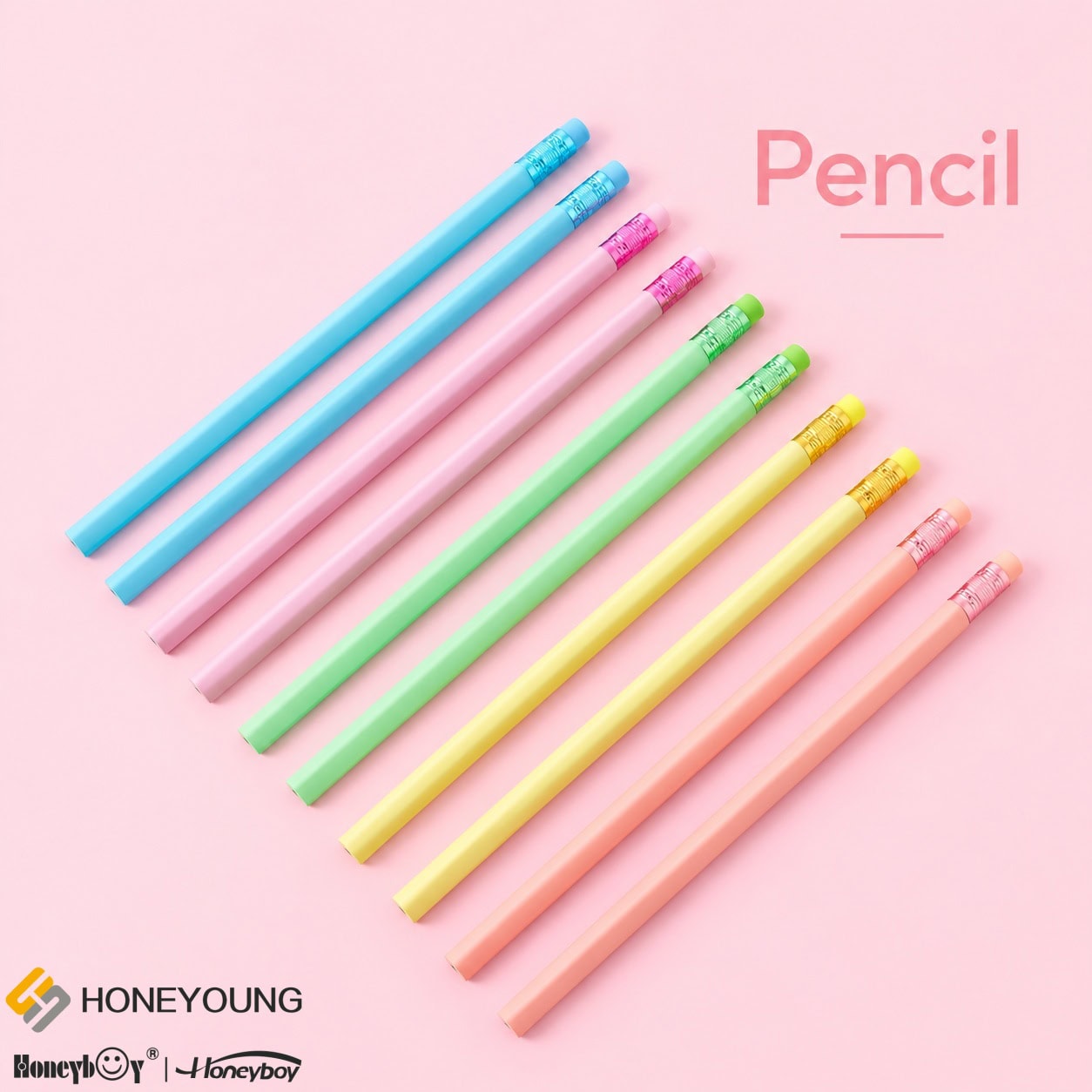
- Pencils for writing, working out, and drawing. Match the grade stated on the school list. If mechanical pencils are allowed, buy replacement leads in the diameter marked on the pencil.
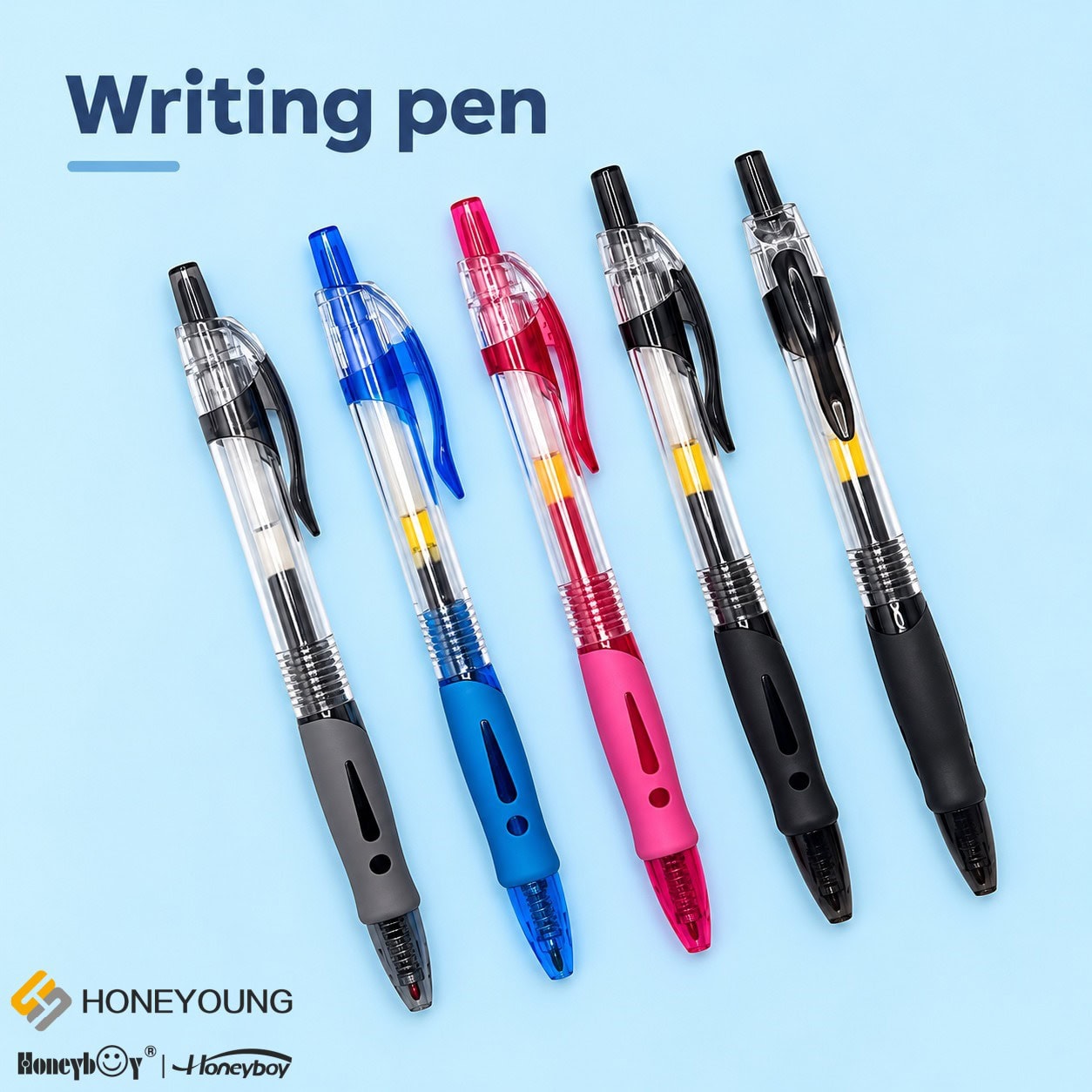
- Writing pens for work that needs ink. Check the permitted ink colours and pen type before choosing a multipack. A large assortment of colours does not replace the black or blue pens a teacher requests.
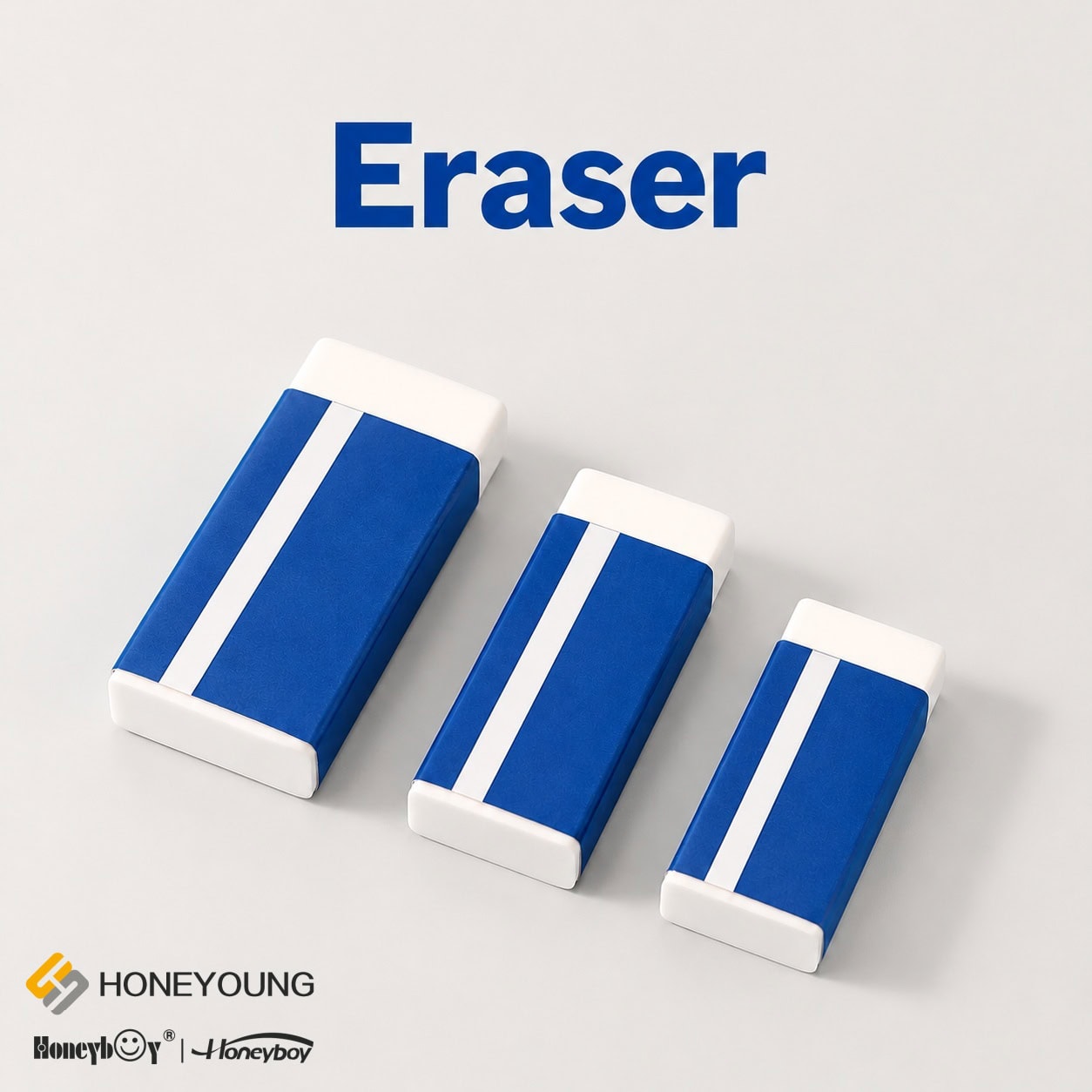
- An eraser for pencil work. Choose a size that fits comfortably in the child’s hand and leaves room in the pencil case for the other supplies.
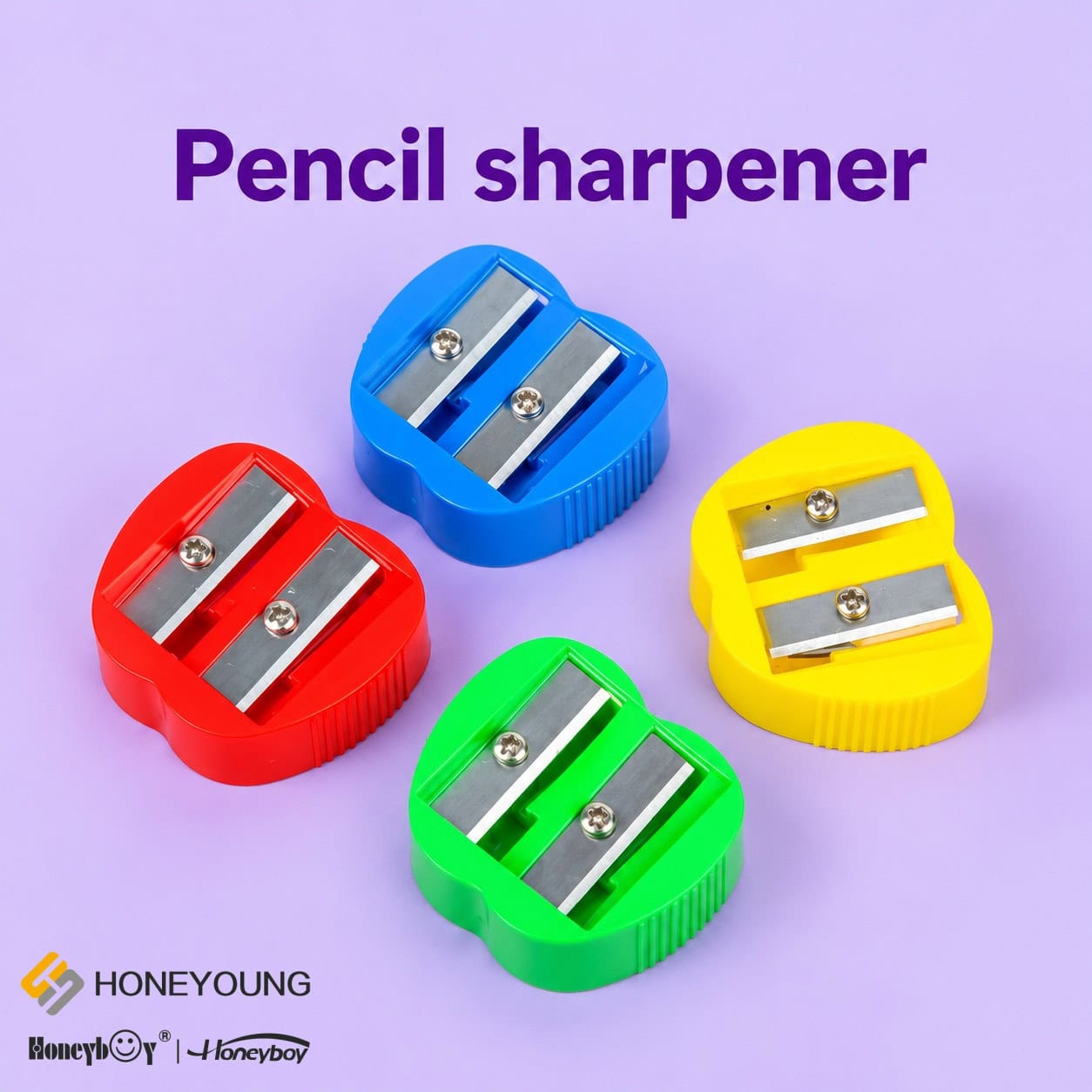
- A pencil sharpener that fits the pencils being used. A container keeps shavings together, although the school may ask children to use a classroom sharpener instead.
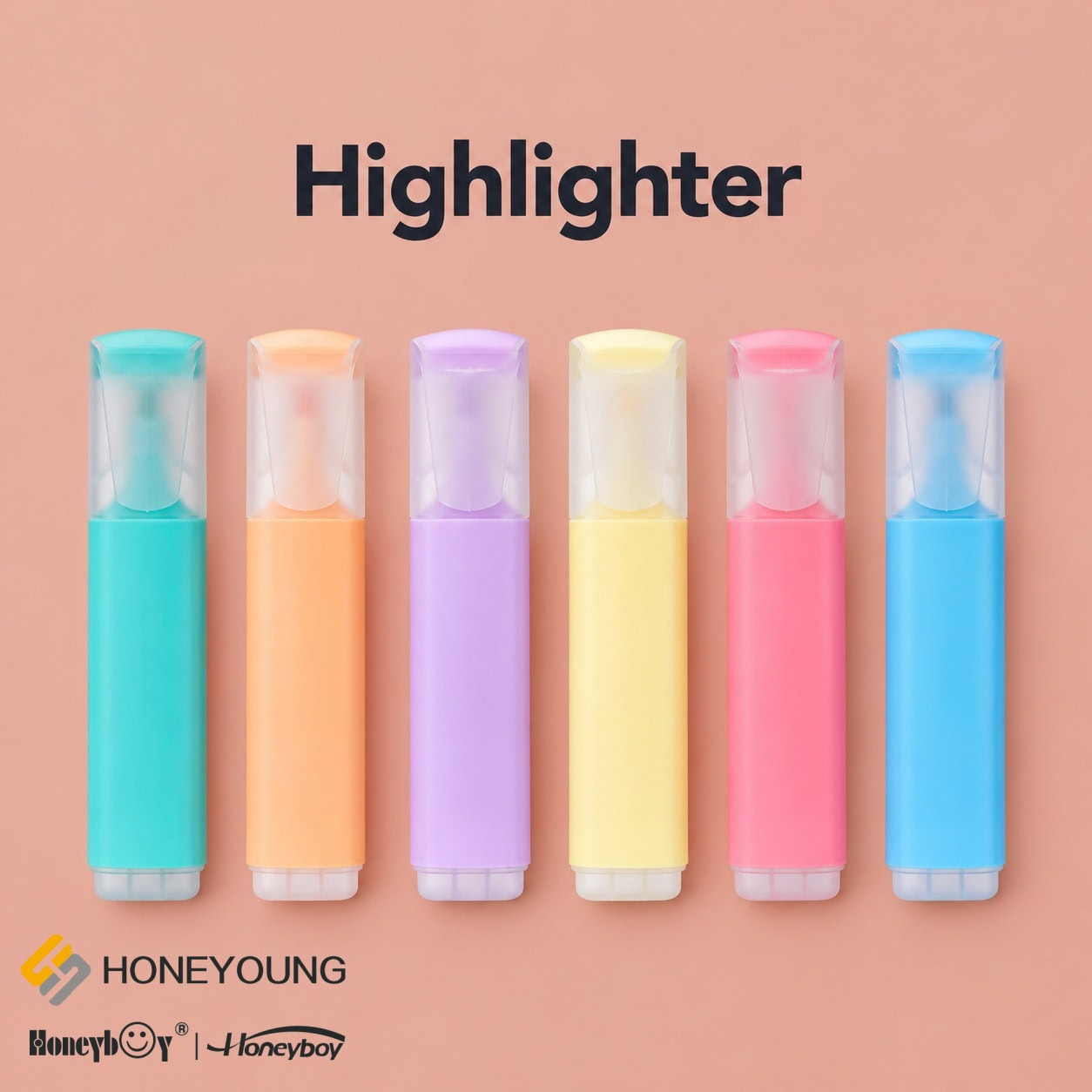
- Highlighters where annotation is part of the course. Start with the colours the teacher uses; a larger set is useful only when there is a reason to distinguish more categories.
2. Books, paper, and organisation
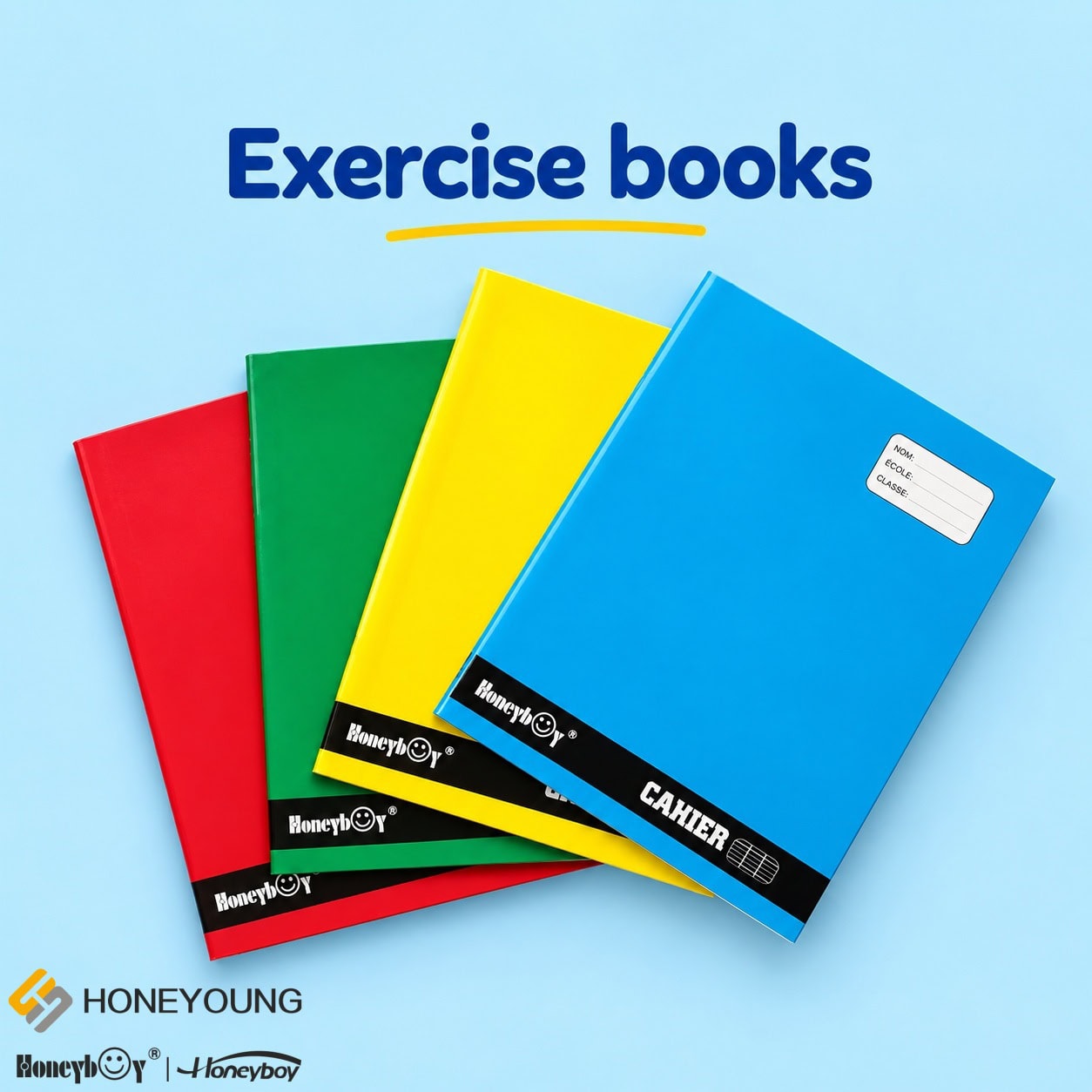
- Exercise books or notebooks for lessons and homework. Include size, ruling, binding, and page count on the purchase list together. “One notebook” is an incomplete specification.
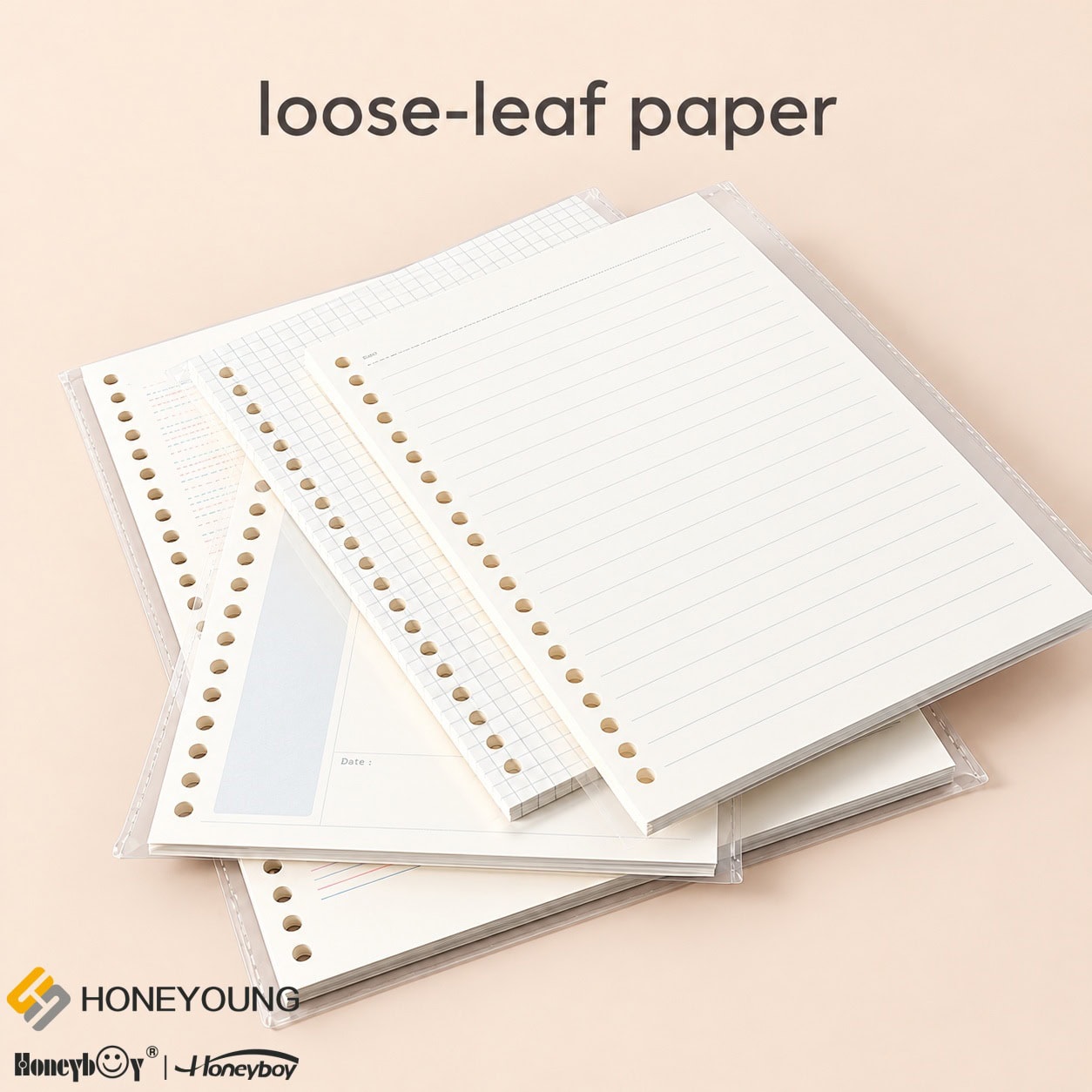
- Loose-leaf or graph paper when requested. Match its dimensions to the folder or binder, and match the hole pattern if it must go on rings.
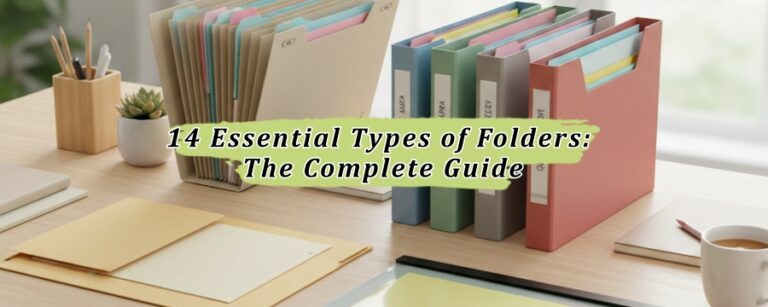
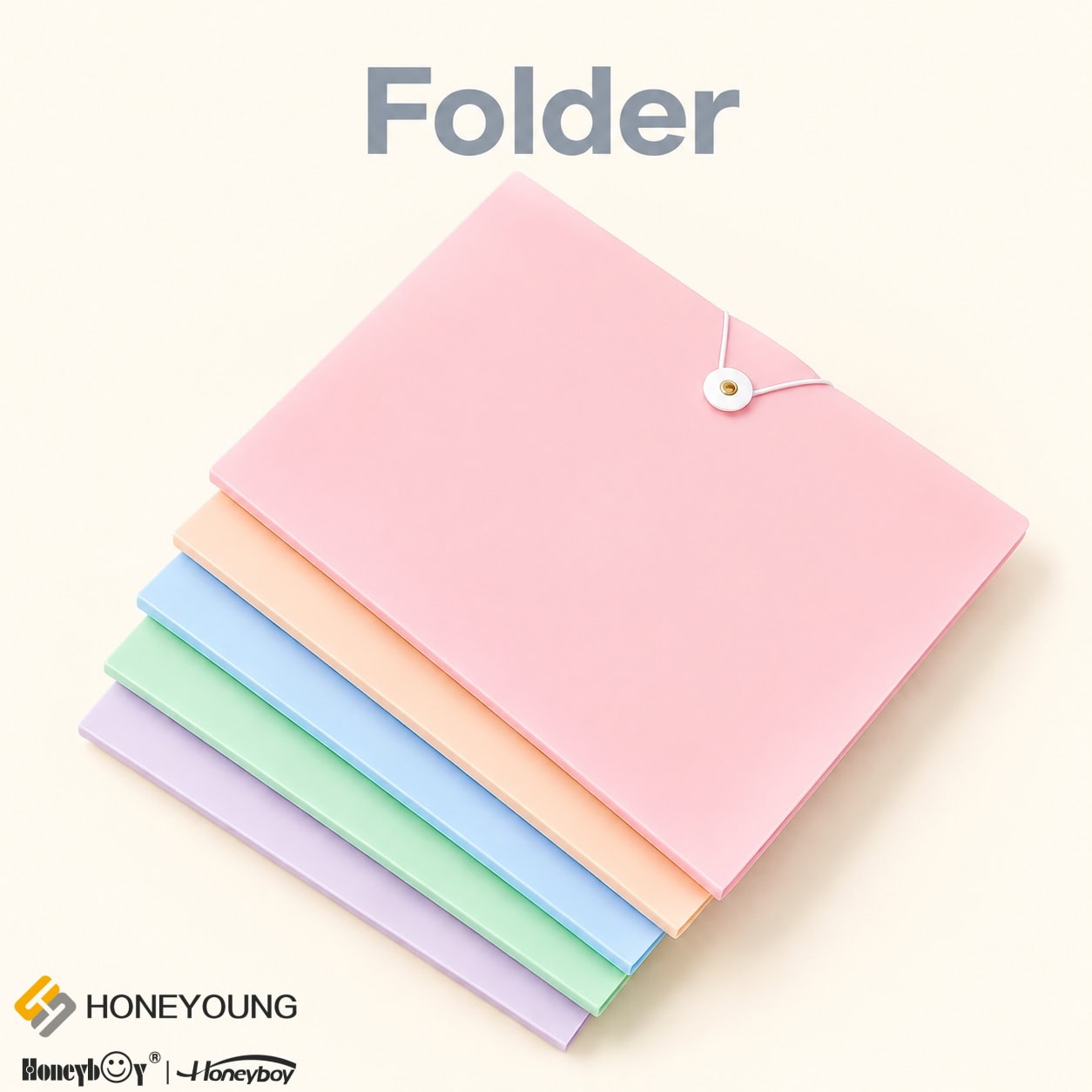
- Folders for loose worksheets and returned work. Check whether the school uses separate subject folders, a take-home folder, or a particular colour system.
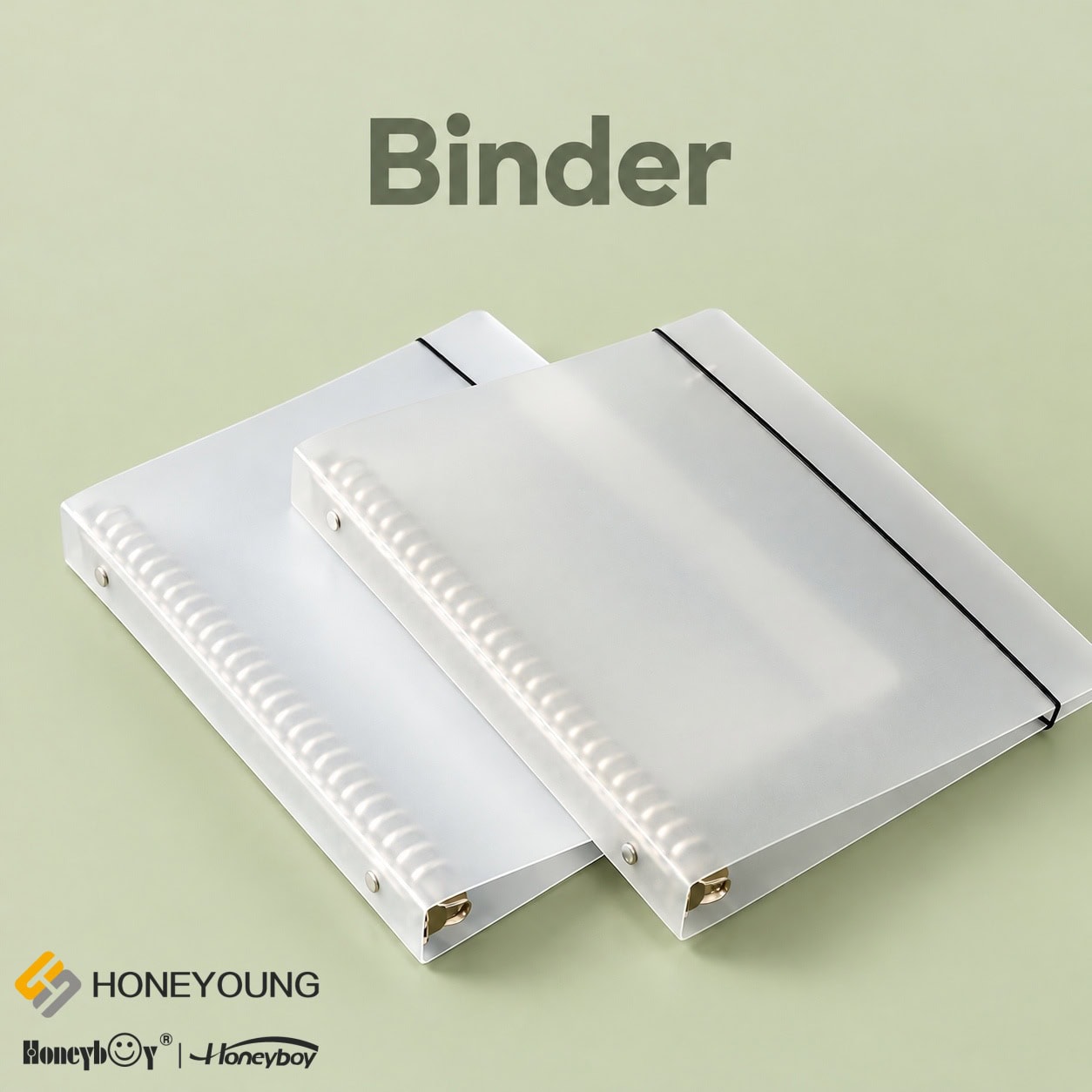
- A binder and dividers if the course uses refillable filing. Put a sample sheet inside before buying the full set: the holes should align with the rings, and the paper should sit within the cover.
3. Colouring and classroom projects
- Crayons or coloured pencils for colouring and diagrams. Choose the medium on the list; the two are not interchangeable for every activity.
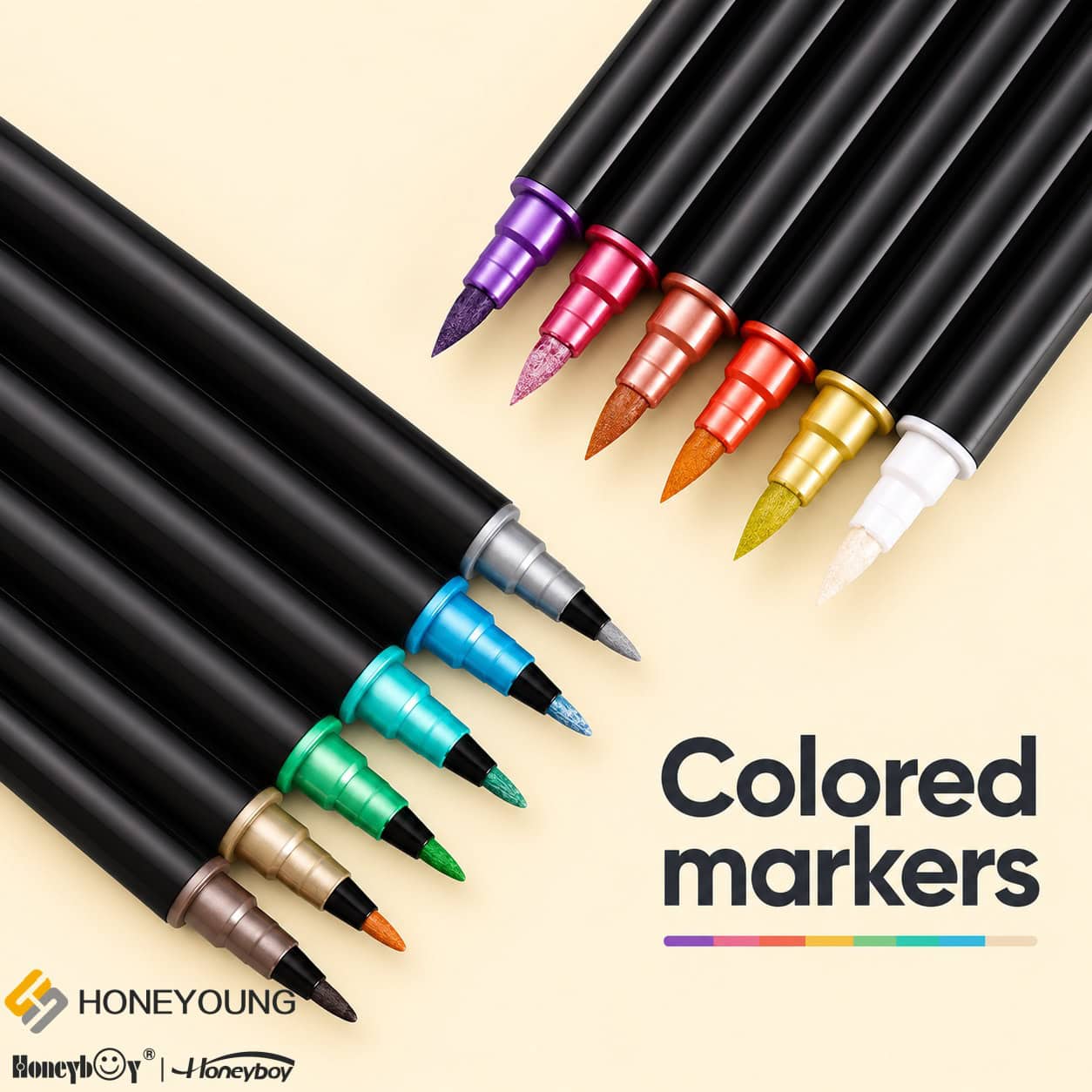
- Colouring markers if requested. Check the ink type and intended surface. A permanent marker should not replace a classroom colouring marker simply because both have a similar tip.
- Glue sticks or liquid glue for the stated activity. Record the form, the amount in each stick or bottle, and the number of units in a multipack. A glue stick and a bottle of liquid glue are different products to pack and use.
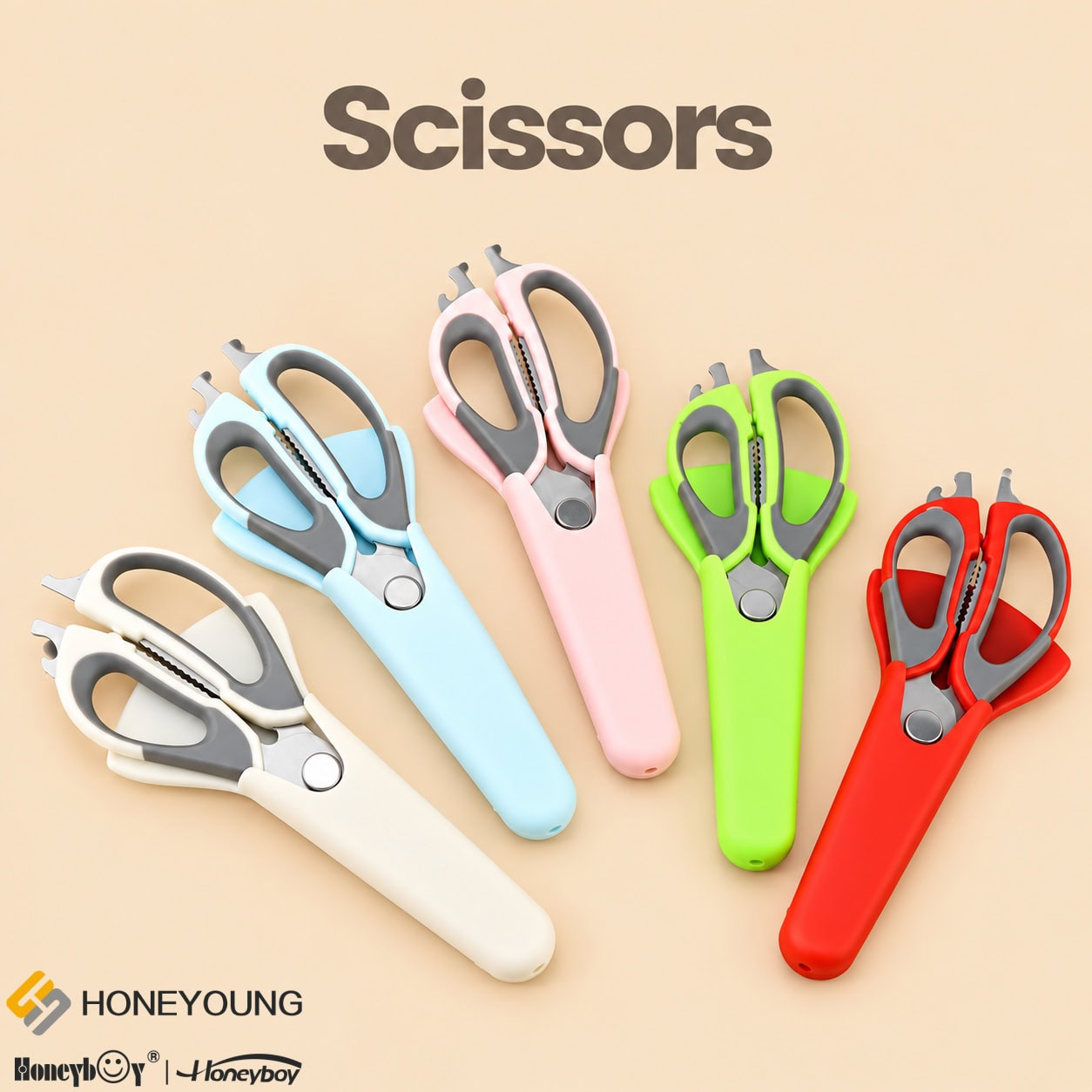
- Scissors in the school-approved size and tip style. Also check the intended hand before buying. A child should be able to open and close the chosen pair comfortably.
4. Measuring, storing and carrying
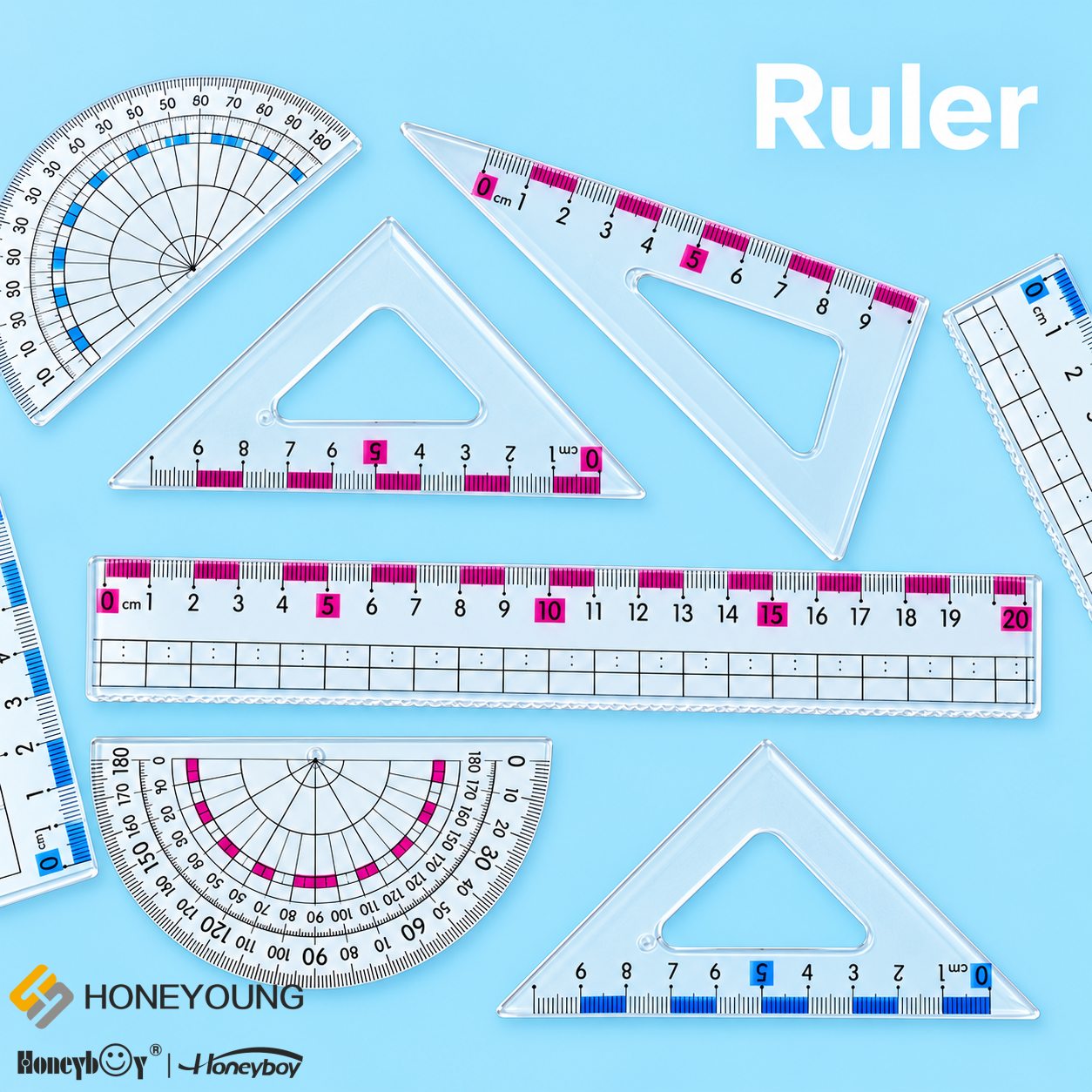
- A ruler with the required length and units. A short ruler may fit inside a pencil case but be unsuitable when the task requires a longer straightedge.
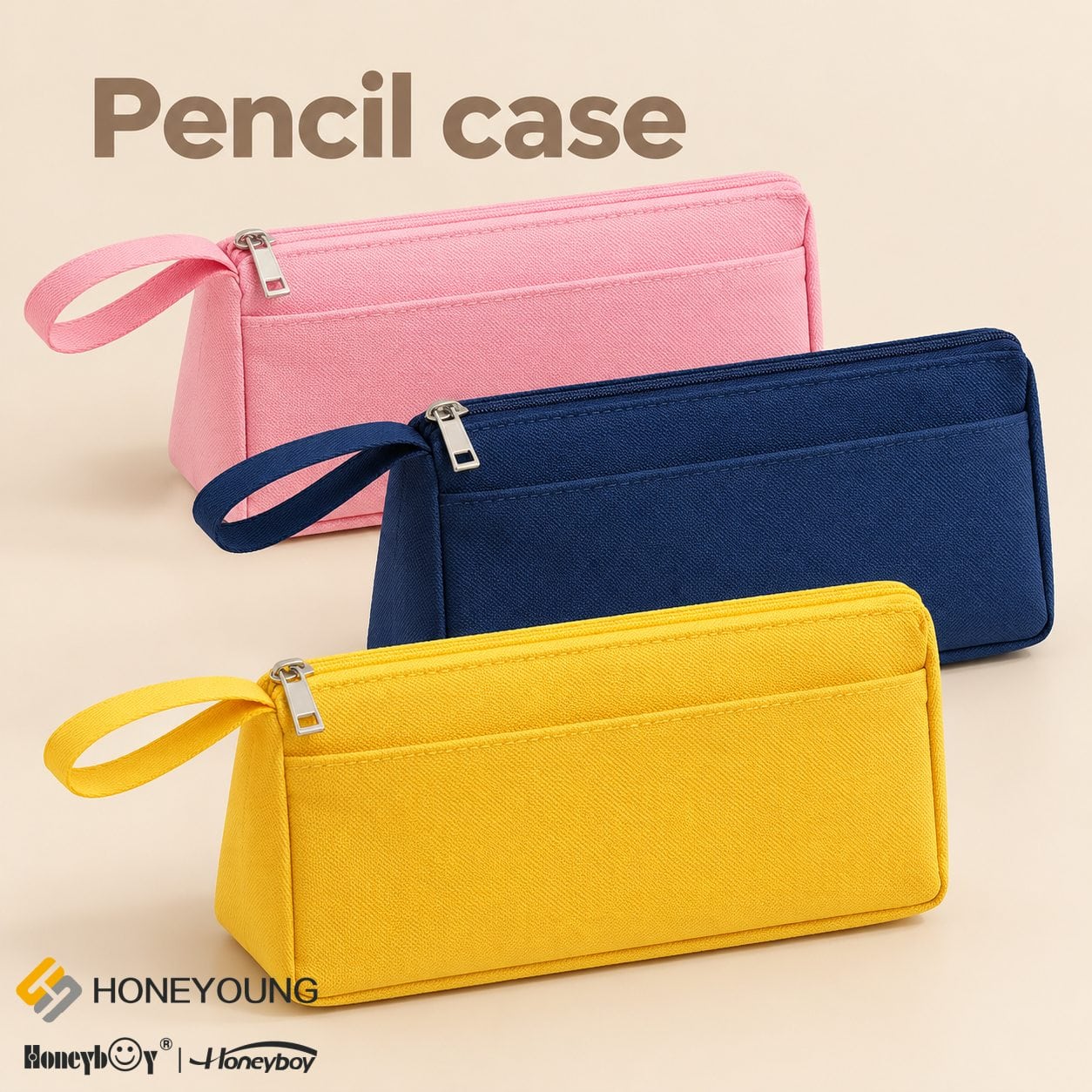
- A pencil case or box that fits the desk arrangement. Lay out the daily supplies and check that the filled case closes and fits the available space, including any outer compartments.
- A school bag that accommodates the largest required folder or book. Test the contents rather than relying only on the bag’s stated capacity.
What changes with grade and school stage
For younger pupils, the choices centre on writing, colouring and classroom organisation. As subjects become more specialised, the list needs more detail about paper formats, separate books and maths equipment. The table shows how to adapt a list; grade and year numbers are not equivalent across countries.

| School stage | Focus of the list | What changes the purchase |
| Early primary or elementary | Pencils, erasers, colouring supplies, and classroom craft materials | Whether the school provides shared supplies; the requested pencil format, scissors, and storage |
| Later primary or elementary | Writing tools, subject books, folders, and a ruler | Book ruling and size, separate subjects, permitted pen use and folder colours |
| Lower secondary or middle school | Subject notebooks, paper, filing, and specified maths tools | Separate teacher lists, paper and binder compatibility, calculator requirements |
| Upper secondary or high school | Daily writing materials plus course equipment | Actual subject choices, specialist books, and any model restrictions |
Check what the receiving school supplies before completing a personal shopping list. Keep school-provided materials, required personal items, and optional contributions separate. For subject-specific equipment, wait if the school says teachers will confirm requirements after lessons begin.
Choose the right version of each supply
1. Read a notebook specification in four parts
Two books with similar covers may serve different classroom tasks. Compare these four details before treating them as substitutes.

| Detail | What to read on the list or product | Why it matters |
| Size | The named format or measured dimensions | The book needs to match the requested working space and fit the folder or bag |
| Ruling | Lines, plain pages, or a specified grid; spacing where stated | The page layout must suit the writing, diagrams, or calculations assigned |
| Binding | The requested stapled, stitched, glued, or spiral format | Confirm the teacher accepts the binding and check how the book opens and fits the required storage |
| Page count | Whether the number means pages or sheets | A sheet has two sides; counting sheets as pages can change the amount of writing space ordered |
For example, “80 pages” and “80 sheets” describe different counts. With two page sides per sheet, 40 sheets give 80 pages; 80 sheets give 160. Check how the supplier counts covers and whether the listed sides are usable before comparing products.
Monaro High School’s 2026 list gives a concrete example: Year 7 science requires an A4 exercise book with 164 to 196 pages and a margin. The school also excludes five-subject exercise books. Both the paper format and the way subjects are separated therefore affect which book satisfies that school’s list.
“From a manufacturing perspective, a notebook specification is only useful when every detail can be checked and reproduced consistently. At Honeyoung, we consider page layout, paper size, binding, and page count together when developing a notebook. A sample may look right at first glance, but these details need to be verified before bulk production.”
——Julia Lee
Stationery Manufacturing Specialist
CEO of Anhui Honeyoung Enterprise Co., Ltd.

2. Match writing tools to the task

Keep pen colour, pencil grade, and replacement lead size as separate fields. For example, HB is a hardness grade, and 0.5 mm is a lead diameter. If a permitted mechanical pencil takes 0.5 mm HB leads, check both markings on the refill pack. Matching HB alone does not establish that the lead fits. Try the chosen pen on the paper that will be used. Check whether the writing is clear and whether ink shows through or smears under the intended conditions. This checks that pen-and-paper combination, not an entire ink category.
3. Buy the geometry tools the lesson uses

See the Geometric Set collection
A ruler draws straight lines and measures length; a protractor measures angles; a compass draws circles and arcs. A boxed set may contain some or all of these, sometimes with set squares. Its total piece count does not tell you whether the required tools are present.Check the contents list against the teacher’s request. Geometry Tools: Description and Uses explains each individual tool, helping you identify them before you choose a set.
A ready-made stationery set or separate purchases
A set is convenient when its components match the list. Separate purchases make more sense when suitable supplies are already at home, the school specifies unusual books, or a set includes several items the class will not use.
Compare the contents, not just the headline piece count. Three pencils are three pieces, but they still cover only one product category. A kit with many small accessories can have a high count while missing the required notebook or ruler.
Honeyoung covers writing, paper, filing and measuring supplies. For any set under consideration, compare the written component list, quantities and specifications with the school list; use a photograph to inspect the arrangement, then check what the supplied version actually includes.
1. Turn one list into a packing plan
For a school order, retailer assortment, or donation project, settle on one complete kit before multiplying the quantities. Separate the number of kits, the units per kit, and the supplier’s pack size.
Suppose a hypothetical kit contains 3 pencils and 1 notebook, and the order is for 40 kits:
| Component | Units per kit | Kits | Individual units needed | Purchasing unit |
|---|---|---|---|---|
| Pencils | 3 | 40 | 120 pencils | If each box holds 12 pencils, 10 boxes |
| Notebooks | 1 | 40 | 40 notebooks | Convert to packs after checking the supplier’s pack size |

For an importer or kit assembler, record which specifications must stay unchanged when a component is substituted. Replacing one notebook with another can keep the piece count unchanged while altering the ruling, dimensions, or page count. Keep the approved version of each component and any agreed alternative in the packing record. Check an assembled sample against it before packing the rest. List separately agreed spare stock outside the per-kit count; otherwise, a reserve-stock adjustment can change the stated contents of every kit.
“For a stationery kit, accurate quantities are only part of the job. The contents must also remain consistent with the approved list. If one item is substituted, buyers should check whether its size, function, or packaging changes the original requirements. Verifying one complete kit before assembly helps identify problems before they affect the full order.”
——Julia Lee
Stationery Manufacturing Specialist
CEO of Anhui Honeyoung Enterprise Co., Ltd.
2. Check these details before checkout
Use the current list for the right school, class, and subjects. Read the year inside a downloaded file, not only the wording on its link. Then make a short final check:

- Remove items the school provides and deduct usable supplies that already meet the requirements.
- Confirm whether a quantity means individual pieces, packs, a term’s stock, or a longer supply.
- Keep required personal items, optional contributions, and shared classroom stock separate.
- Follow the school’s naming instructions before labelling supplies that may be pooled.
- Keep specialist purchases pending if the teacher has not confirmed a model or specification.
FAQ
What are the basic school supplies?
Pencils, an eraser, suitable paper or notebooks, folders and a pencil case are useful starting categories. Add permitted pens, colouring supplies, glue, scissors and maths tools for the class’s activities. Check school provision before buying the whole list.
Do I need to buy a completely new set every school year?
Keep supplies that still work and meet the new class requirements. Check pencil-case space, pen operation, ruler markings and the condition of folders before buying replacements. A usable item may still need replacing if the teacher now requires a different size, format or function.
Is the same school supplies list suitable for every grade and country?
A school supplies list needs to match the school, class, and subjects, including what the school provides. Grade and year numbers also differ between education systems. Use the current list for the receiving school and class rather than translating an overseas grade label into a shopping list.
Should I buy everything before the first day of school?
Buy confirmed requirements first and wait, as the school says teachers will provide subject lists later. Monaro High School’s 2026 guidance says staff will confirm the requirements for Year 9 and Year 10 electives in the first couple of lessons. Keep usable daily writing supplies ready while specialist books, calculators, or equipment remain unconfirmed.
How many pencils and notebooks should I buy?
Use the current teacher list for the quantity and unit. Subtract suitable supplies already available where reuse is allowed. For multiple kits, multiply the confirmed quantity per kit by the number of kits, then convert individual units into the supplier’s pack size. Keep agreed spare stock on a separate line.
Can one notebook replace several subject books?
One notebook can replace separate subject books only if the school accepts that arrangement. A divided notebook may offer separate sections, but it does not meet a requirement for individual books automatically. Match the subject, size, ruling, and page count, as well as the total number of books.
Do 80 pages and 80 sheets mean the same amount of paper?
80 pages and 80 sheets are different counts. A sheet has two sides: 40 sheets provide 80 page sides, while 80 sheets provide 160. These counts describe writing space, not the book’s physical dimensions. Check whether the supplier includes covers in the count and whether both sides are usable, then confirm the required format separately.
Does HB tell me which replacement lead fits a mechanical pencil?
HB describes pencil hardness, not lead diameter. For a mechanical pencil marked 0.5 mm, the refill must match the 0.5 mm diameter and the requested hardness grade. A pack marked HB alone does not establish that its leads fit the pencil.
Does every geometry set include a compass and protractor?
The written component list determines whether a geometry set includes a compass and protractor. Check it against the ruler, set squares, and other tools the lesson requires. A larger total piece count cannot substitute for a missing tool.
Is a larger stationery kit better value?
More pieces do not automatically make a stationery kit better value. Compare the items that meet the actual requirements. A larger kit may contain useful extras. When comparing it with separate purchases, include the cost of adding missing items and replacing unsuitable components.
Should every school supply have the child's name on it?
Whether a school supply needs the child’s name depends on the school’s rules for personal and shared materials. Bags and pencil cases may be personal, while some classroom materials are pooled. Label personal items as directed and keep shared stock unlabelled where requested.
How should a donation project handle shared classroom supplies?
Confirm the receiving school’s list and separate individual kits from shared classroom stock. Count a pupil’s notebook per kit, for example, but count a shared item per class or project when that is the agreed arrangement. Record the receiving group, required specifications, and quantities before buying so the donation matches what the school can use.
Can a supplier build a stationery set around a school's list?
Honeyoung is a B2B stationery supplier offering custom set contents and design. Its listed component options include notebooks, pens, pencils, erasers, and rulers. Match the final component list, quantities, and specifications to the school’s current requirements.
Can school stationery sets carry a buyer's own branding?
Buyers can provide their own logos, artwork, and colour requirements for Honeyoung Stationery’s custom stationery sets. The company offers product and packaging design Confirm which components will carry the branding and record the approved packaging design in the agreed specification.
What should a buyer approve before bulk school stationery is produced?
Approve the agreed specifications and sample before bulk school stationery production. Honeyoung Stationery describes a process in which the buyer confirms samples before manufacturing. For a school kit, compare the sample with the component list, quantities, notebook format, writing-tool specifications, and packaging. Record any accepted substitutions before production.