


introduction
Children’s crayon drawings are full of childlike innocence and creativity, but once they get on clothes, those crayon marks can be a real headache for parents.
If you’re wondering how to get crayon out of clothes, it helps to understand that these stains are a mixture of wax and pigment, making them particularly stubborn on fibers.
Never wash them directly with hot water; the wax will melt and become even harder to remove.
Don’t worry, with the right methods, most crayon marks can be easily removed.

Why are crayon stains so difficult to remove?
Many people find that after repeatedly washing their clothes with regular laundry detergent, crayon stains remain. This is related to the composition of the crayon and the structure of the clothing fibers.

Crayons typically consist of the following components:
- paraffin wax or natural wax (such as beeswax)
- colored pigments
- a small amount of stabilizer or filler material
When a crayon comes into contact with clothing, the wax adheres to the surface of the fabric fibers, while the pigment seeps into the fibers.
If exposed to heat (such as hot water or a dryer), the wax melts and spreads, making the stain even more stubborn.
🎨Common scenarios for crayon stains
In daily life, crayon stains typically occur in the following scenarios:
- When children are drawing at home or school, crayons get on their clothes.
- Crayons are in clothing pockets and accidentally end up in the washing machine.
- Crayons are pressed onto clothing, leaving noticeable color marks.
how to get crayon out of clothes?
Don’t worry if you get crayon marks on your clothes; in most cases, they can be removed.
The key is first to assess the stain’s condition: was it freshly applied, rubbed in, or even washed with hot water?
The treatment method will differ slightly depending on the situation.
Before you begin, prepare some simple tools and have a clear plan; this will make the process much more efficient.
Below, we’ll look at the materials you’ll need and then introduce some easy methods you can do at home.
1. Preparation before removing crayon stains
Paper towels or kitchen paper: Used to absorb melted wax after heating.
Iron: Heating melts the wax stains and uses high temperatures to separate them from the clothing fibers.
Dull knife or spoon: Scrape off the solidified wax layer.
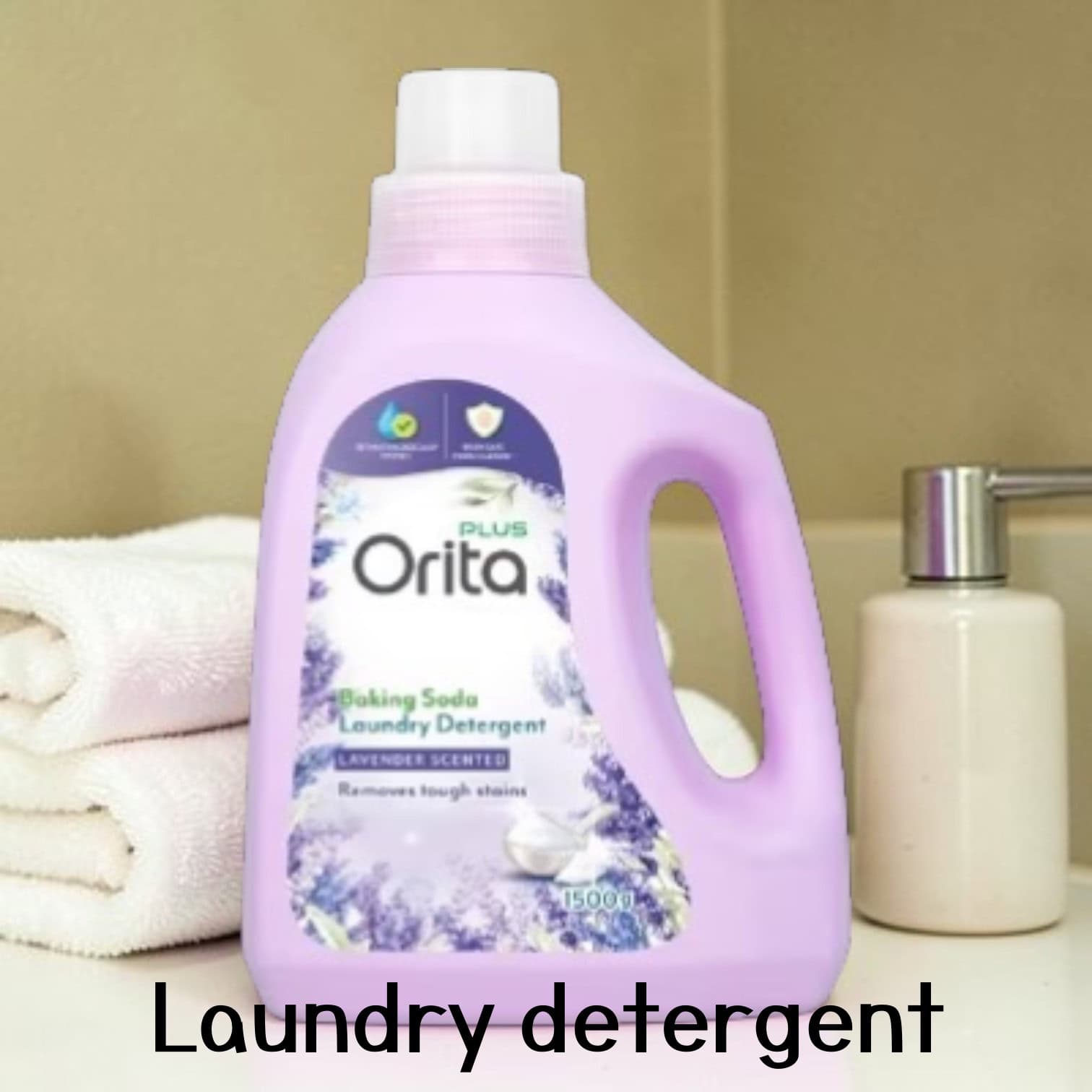
Laundry detergent: Removes oily residue and color marks from wax stains.
Baking soda: The gentle friction helps remove stubborn stains that have penetrated the fibers.
White vinegar: Helps break down stains and has some color-removing effect.
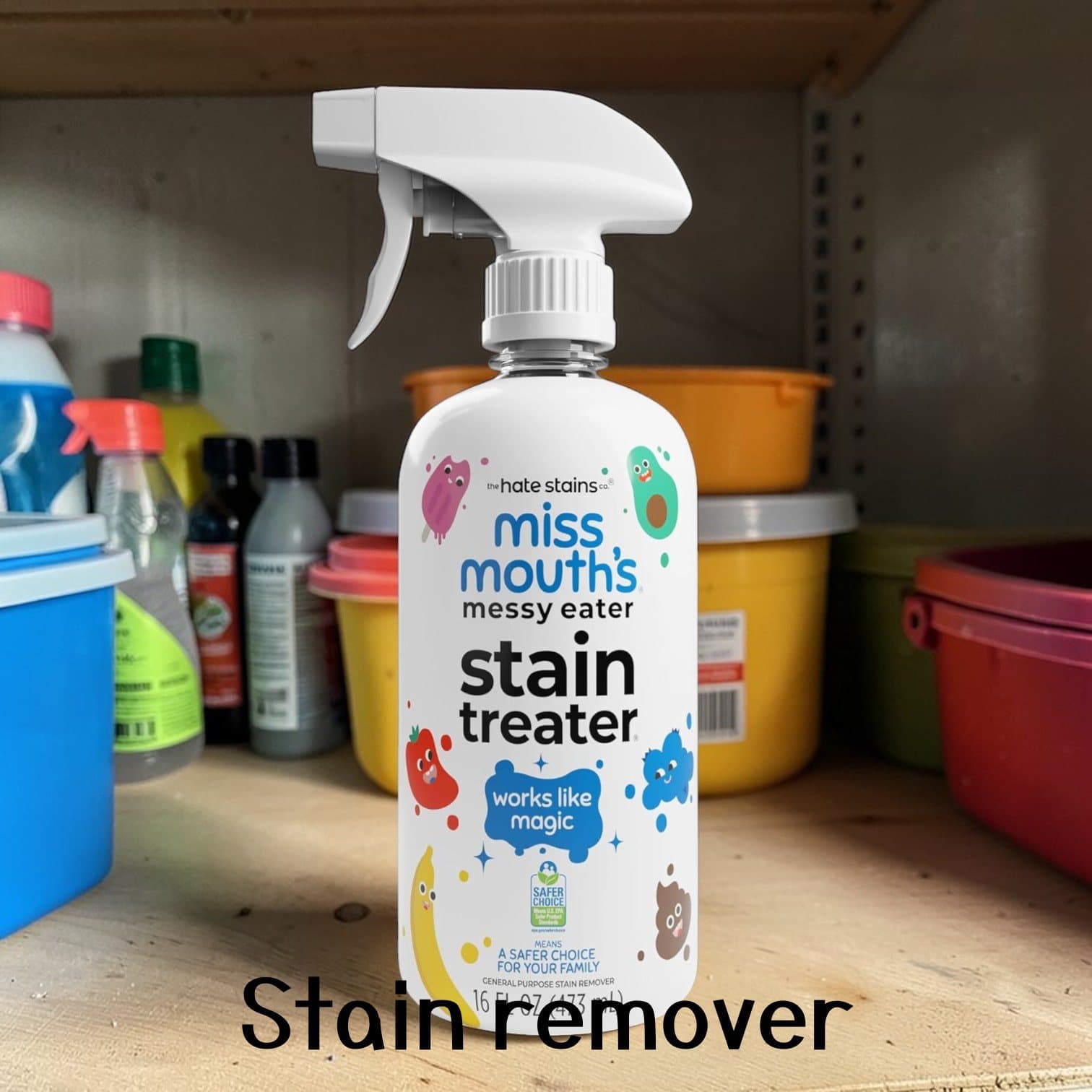
Alcohol or stain remover spray: Apply with a cotton ball and gently wipe to remove residual pigment marks.
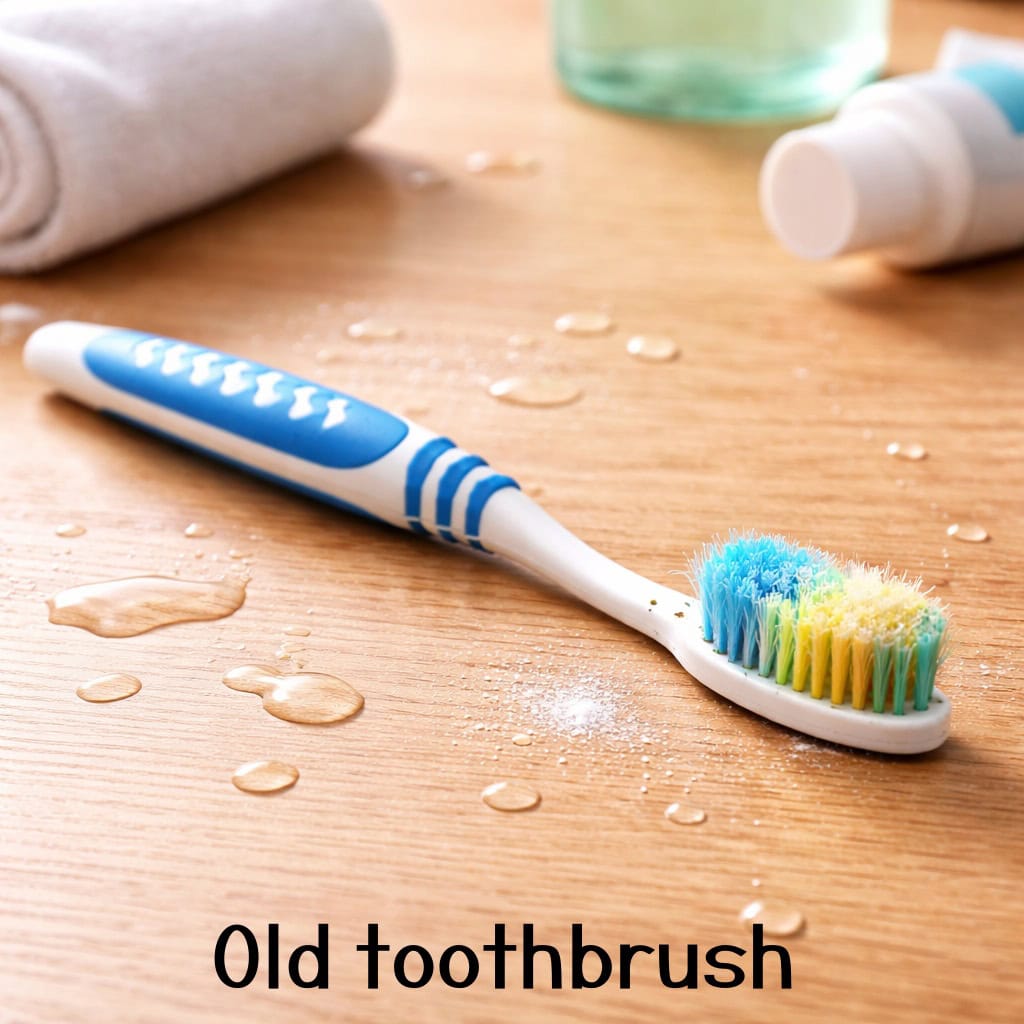
Old toothbrush: Gently brush the stain, reaching deep into the fibers.
⚠️Tips
- First, check the garment’s care label and choose the appropriate cleaning method based on the fabric type.
- Never rinse directly with hot water, as this may melt the wax stains and cause them to penetrate further into the fibers.
Once you have these tools ready, you can choose the appropriate treatment method based on the nature of the stain.
2. Four Effective Ways to Remove Crayon Stains
The key to removing crayon stains is a step-by-step approach: first, remove the wax adhering to the surface, then clean away any remaining color. Different types of stains require different methods.
The following four methods are simple and practical choices for everyday use and can be applied flexibly according to the specific situation.
2.1 Freezing scraping method
This is the simplest and most common method, suitable for crayon stains that have just been applied to clothing.
Harden the wax at low temperatures and then scrape it off to prevent it from spreading during cleaning.

Step 1: Place the garment stained with crayon in the freezer.
Step 2: Once the wax has hardened, gently scrape off the surface wax layer with a spoon.
Step 3: Apply a small amount of laundry detergent to the stained area.
Step 4: Wash the garment as usual.
2.2 Ironing method
If there is a thick layer of wax on the clothes, you can use an iron to absorb the wax.

Step 1: Place a paper towel or blotting paper above and below the stain.
Step 2: Gently press the stain with a low-temperature iron. The wax will melt and be absorbed by the paper towels.
Step 3: Repeat several times with new paper towels until most of the wax is absorbed.
Step 4: Finally, wash away any remaining color with laundry detergent.
⚠️ Do not use an iron that is too hot, otherwise it will damage the fabric of your clothes.
2.3 Baking soda stain removal method
Sometimes the wax has been removed, but the color may remain on the clothes. In this case, baking soda can be used to clean it.

Step 1: Gently dampen the stained area with warm water.
Step 2: Sprinkle a layer of baking soda on the stain.
Step 3: Gently scrub with an old toothbrush.
Step 4: Add laundry detergent and wash as usual.
Baking soda has a slightly abrasive effect, which can help to slowly brush away pigment residue from fabric fibers.
2.4 Alcohol/White Vinegar Stain Removal Method
If the colored stains are still present on the clothes, you can try using alcohol or white vinegar.

Step 1: Apply a few drops of alcohol or white vinegar to the stain.
Step 2: Gently wipe with a cloth or cotton ball.
Step 3: Finally, wash once more with laundry detergent.
This method is particularly suitable for removing paint marks left by colored crayons and is also quite effective on light-colored clothing.
Most crayon stains can be effectively removed using the methods described above. The key is to first remove the wax layer, then remove any remaining color, and to choose a suitable cleaning method based on the fabric of the clothing.
3. Treatment suggestions for different fabrics
Different methods are needed when dealing with crayon stains on clothing made of different materials.
Fabric type | Recommended method | Precautions |
| Cotton clothing | Baking soda + laundry detergent + gentle scrubbing | It’s relatively washable, but don’t scrub too hard. |
| Denim | Freezing scraping + strong laundry detergent | The fabric is thick, so it can be washed multiple times. |
Synthetic fibers (polyester, nylon) | Alcohol or stain remover treatment | Avoid high temperatures (may cause deformation). |
| Fine fabrics (silk, wool) | Mild cleaner | Brushing is not recommended; dry cleaning is strongly advised. |
In general, removing crayon stains from clothes isn’t complicated; the key lies in the method and order.
As long as you prepare before cleaning, choose the appropriate treatment method based on the stain’s condition, and adjust according to the characteristics of different fabrics, most crayon stains can be effectively removed.
Mastering these practical tips will allow you to easily handle similar problems.
Tips to Avoid Crayon Stains on Clothes
Paying attention to a few details in daily use can reduce the hassle of cleaning stains.
This is especially true in families with many children, schools, and training institutions where crayons are used frequently.
Without some basic habits, it’s easy to repeatedly encounter situations where clothes get stained.
1. Take basic precautions when drawing

The simplest and most practical way is to prepare an apron for your child, or have them change into old clothes while drawing, which can block most crayon stains.
Especially when coloring large areas or creating freely, clothes can easily get on the table and paint, and this simple protection can reduce the trouble of cleaning up afterwards.
In a school or training class setting, everyone can also wear matching art aprons, which is both neat and convenient for management.
2. Develop the habit of checking your pockets

3. Choose easy-to-clean crayons
Different crayons vary significantly in formula and quality.
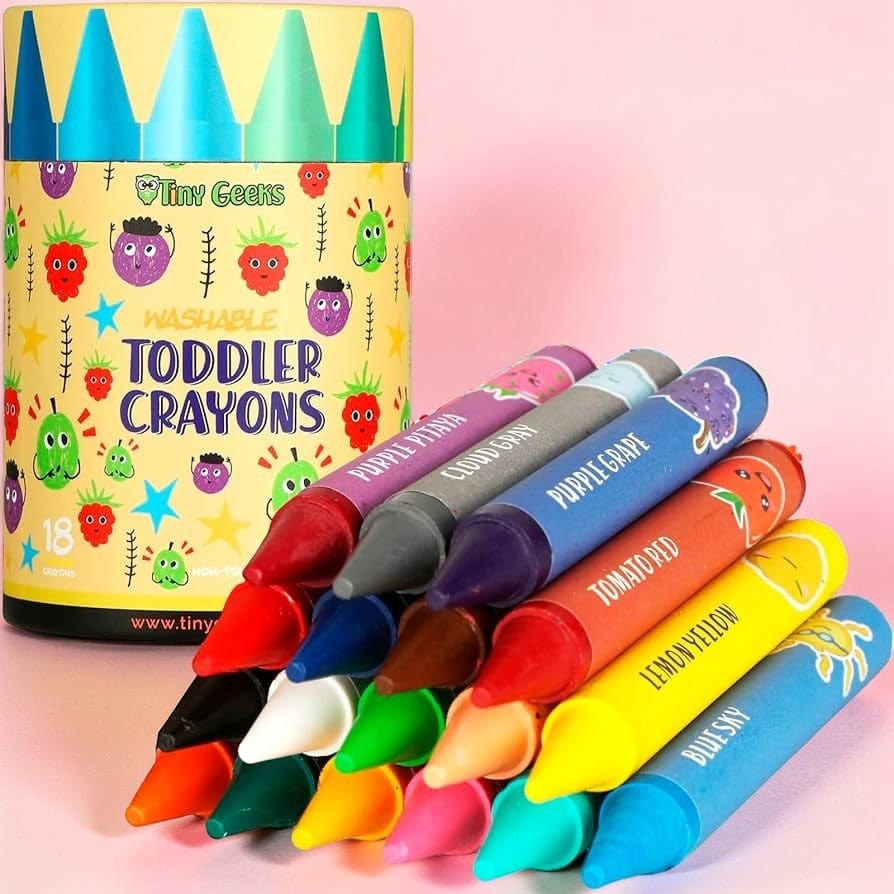
Some crayons have strong adhesion, making them difficult to remove from fabrics; while others, with more stable quality or labeled “washable,” are easier to wash off, even if they get on clothes.
In the long run, choosing crayons that are easier to clean not only reduces wear and tear on clothes but also lowers the time cost of daily cleaning.
4. Treat stains as soon as they are discovered

A key point in dealing with crayon stains is timeliness.
When wax has just landed on clothing, it remains on the surface and is relatively simple to remove.
However, if left untreated for an extended period—or if subjected to friction or heat—the wax and pigments will penetrate deeper into the fibers, making the cleaning process significantly more difficult.
If you discover that clothing has just been soiled by crayons, you can begin by simply wiping it with a paper towel or applying a cold treatment as soon as possible; doing so can often spare you the need for repeated washing later on.
In daily use, besides taking basic precautions, you can also reduce the occurrence of such problems at the source. For example, choose crayons that are easier to clean, or, if possible, try making your own crayons.
This not only reduces the likelihood of staining clothes but also makes children feel more at ease and involved during use. If you are interested in this topic, you can learn more about How to Make Personalized Crayons for Kids.
FAQ
Can it be cleaned in one wash?
Not necessarily. Some crayon stains, especially darker ones, may require two or three treatments to remove completely. The first treatment mainly removes the wax layer, and subsequent treatments gradually lighten the color; this will result in a more stable effect.
Can I put it directly into the washing machine to wash?
Without pre-treatment, machine washing usually doesn’t yield good results. It’s recommended to do some basic pre-treatment (such as scraping or spot cleaning) before putting the item in the washing machine; this will make it easier to get it clean.
If the clothes have been sitting for a while before being processed, will they still be effective?
It can be treated, but the longer it sits, the more difficult it becomes to clean. This is because the stains have become more tightly bound to the fibers, requiring more patience and repeated cleaning.
Why are there still marks after washing?
Because the pigment has entered the fiber, it needs to be decolorized again (such as with alcohol or baking soda).
Do dark-colored clothes and light-colored clothes require the same treatment?
After mastering the methods above, most crayon stains can be easily removed. Besides cleaning and daily protection, choosing the right crayons is equally important.
As products continue to upgrade, more and more crayons are improving in terms of user experience and ease of cleaning. If you are interested, you can learn more about these trends: Exploring the Magic of Custom Crayons in 2025.