


Introduction
What are staples made of? It’s a simple question, but its importance is greater than many realize. From binding everyday documents to securing cartons in logistics, staples are essential fasteners across a wide range of industries.
For high-volume users like printers, offices, schools, and logistics companies, choosing the right staples involves more than just cost. The material determines performance, durability, and rust resistance, especially in varying environments.
Understanding the primary materials is the first step in selecting the right product for your needs.

what are staples made of?
Understanding the materials staples are made of is crucial, not only for daily use but also for long-term durability, rust resistance, and even aesthetics. Let’s analyze the most common materials used in staple production, their properties, and optimal application scenarios.
1. Galvanized Steel (Most Common)
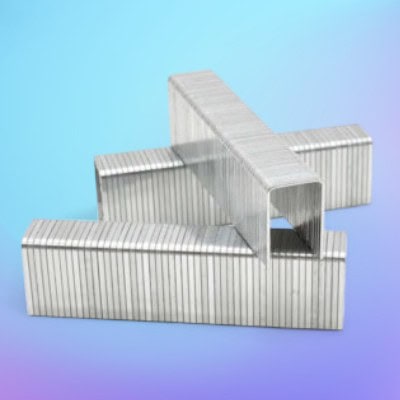
Galvanized steel nails are made from mild steel coated with zinc. The zinc coating protects the steel core from corrosion, giving the nail a sleek silver appearance.
Features:
- Affordable and widely available
- Strong enough for everyday binding
- The zinc coating provides basic corrosion resistance
- The smooth surface reduces friction during binding
2. Stainless Steel

Stainless steel contains iron and chromium (typically about 10.5% or more). The chromium forms a self-healing oxide layer, giving stainless steel excellent resistance to rust and tarnish.
Features:
- Excellent resistance to moisture and air attack
- Long-lasting oxidation resistance
- Maintains structural integrity over time
- Smooth, polished appearance
3. Copper & Brass

Copper and brass are both non-ferrous metals that are rust-resistant and naturally resistant to tarnishing. Brass, an alloy of copper and zinc, has a slightly golden hue and is stronger.
Features:
Unique metallic color
Naturally corrosion-resistant
Good ductility
Used in applications requiring aesthetic appeal
4. Aluminum
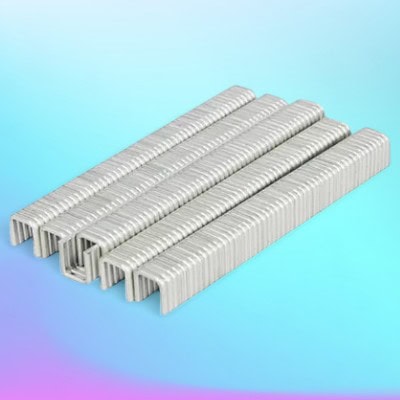
Aluminum nails are made of a soft, lightweight metal that’s inherently resistant to rust and corrosion. While not as strong as steel, aluminum’s flexibility makes it easy to work with in certain environments.
Features:
- Lightweight and rust-resistant
- Softer and more flexible than steel
- Brilliant silver appearance
- Suitable for light-duty binding tasks
Stainless Steel vs. Galvanized Staples
While galvanized steel is the industry standard for everyday staples, stainless steel staples offer superior protection in certain environments.
This comparison will help you fundamentally understand the core differences between these two most common staple materials. This will help you choose the right staple material for your application.
| Feature | Galvanized Steel Staples | Stainless Steel Staples |
| Base Material | Low-carbon steel | Iron alloy with ≥10.5% chromium |
| Corrosion Resistance | Moderate (protected by zinc coating) | Excellent (inherent rust-proof properties) |
| Coating | Zinc-plated (galvanized) | None needed – naturally resistant |
| Color/Finish | Silvery, matte or slightly shiny | Bright, polished, or mirror-like finish |
| Durability | Strong for everyday use | Highly durable, resists tarnishing and rust |
| Cost | Low | Higher |
| Magnetic | Yes | Usually yes (unless made with special alloys) |
| Best For | Offices, schools, and general indoor use | Archiving, marine, humid, warehouse use |
| Rust Over Time | Yes, if the coating wears off | No – resistant even in extreme environments |
💡Tips:
Choose galvanized staples if you need a budget-friendly option for offices, schools, and everyday documents where staples won’t be stored long-term.
Choose stainless steel staples if your customers require rust-free performance, such as coin astal regions, warehouses, or legal/archival files that must last for years.
How are staples made?
Although staples are small, their production requires precise manufacturing processes, specialized machinery, and careful material handling. From a giant roll of metal wire to the neat, familiar strips of staples, here are the core steps involved in producing staples:
1. Wire Feeding and Straightening
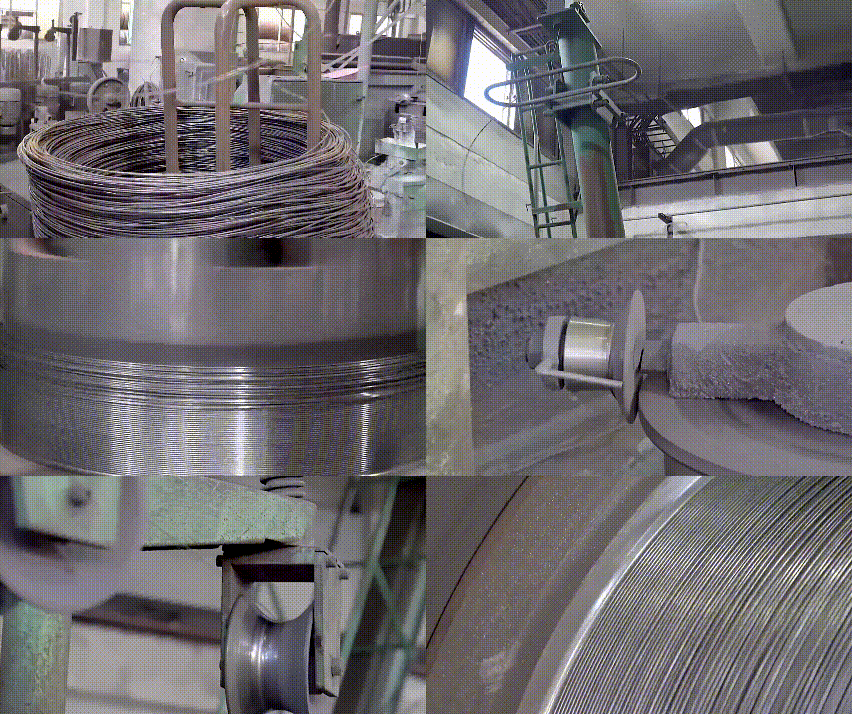
Staple fiber production begins with wire, typically made of galvanized steel, stainless steel, and sometimes copper or aluminum for specialized applications. The wire is stored on large spools or coils.
It is fed into the machine through a wire straightening device, ensuring the wire is smooth and free of bends or inconsistencies. Consistent wire tension is crucial for ensuring uniform nail size and quality.
2. Flattening and Shaping the Wire

After straightening, the wire passes through a roller to slightly flatten it. This helps form the crown and legs of the staple.
The aligned wires are then glued together to form a single long strip. This ensures they stay together during the shaping process.
3. Cutting and Forming

This is the most crucial step. The wire is fed into a precision forming die.
Tools in the die continuously bend the straight wire into a perfect “U” shape at high speed. Simultaneously or after the bend, a sharp knife cuts down, severing the continuous wire into individual staples.
The entire process is continuous and high-speed, producing tens of thousands of staples per minute.
4. Packaging

The long strips of staples are conveyed to a slitting machine, where they are cut into individual staple strips in standard quantities, most commonly 210 staples.
These strips are then packaged by automated equipment, typically wrapped in cardboard or placed in plastic boxes for easy shipping and distribution.
5. Quality Control

Before staples are packaged, we randomly select strips of staples and use them with a standard calibrated stapler and standard paper.
We ensure that the staples are evenly formed, have the required penetration strength, and are free of jams. Only qualified products are packaged.
How to choose the correct staple material?
Choosing the right staple material should not only consider price, but also performance, durability, and environmental protection. Here is how to make the right decision based on your usage. Below, I have summarized how to make the right decision based on your usage.
1. Consider the Environment

- Dry indoor use (offices, schools):
Galvanized steel is cost-effective and rust-resistant under normal conditions. The zinc coating prevents normal oxidation and keeps costs low. - Humid, coastal, or warehouse conditions:
Stainless steel is a better choice. Its chromium content creates a protective oxide layer that resists rust even when exposed to moisture or salty air. - Electrical or non-magnetic environments:
Copper or brass is non-magnetic and naturally corrosion-resistant. Used where magnetism or conductivity must be avoided.
2. Think About Longevity
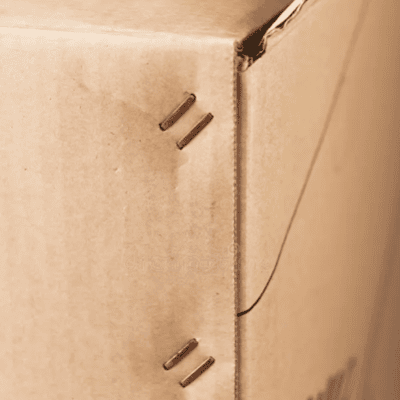
- Temporary binding or daily use:
Galvanized steel staples are cost-effective and reliable for documents that don’t need long-term storage. - Archival storage or long-term packaging:
Stainless steel staples prevent rust marks from bleeding into paper and keep documents intact for years. Often required in legal, government, or library archives.
3. Assess the Application Type

- Office papers, notebooks, light binding:
Galvanized steel staples work well. Galvanized steel staples are perfect for notebooks, handouts, and reports. - Heavy-duty stapling (booklets, cartons, upholstery):
Stainless steel staples provide higher holding strength. They reduce the risk of staple legs bending or breaking under pressure.
- Decorative or luxury stationery:
Copper or brass staples add a stylish finish and resist tarnish, making them suitable for presentation documents or branded stationery.
4. Evaluate Strength Needs

- Light-duty tasks (10–30 sheets of paper, receipts):
Galvanized steel staples are thin, easy to drive, and economical for everyday office or school use. - Medium-duty tasks (reports, booklets):
Galvanized or stainless steel staples provide added resistance to bending under pressure.
- Heavy-duty binding (cardboard, upholstery, or fabric):
Stainless steel staples offer superior penetration and grip, preventing staples from bending or pulling out. - Specialized industrial uses (wood, thick textiles): Hardened stainless steel staples or copper/brass staples may be used, depending on the environment.
5. Balance Cost and Performance

- Galvanized steel: Lowest cost, good for high-volume use.
- Stainless steel: Higher price, but ensures durability and rust-free performance.
- Copper/Brass: Niche use, more expensive, but adds value in specialized markets.
👉 A good rule of thumb: Use galvanized for everyday work, stainless for durability, and copper/brass for specialty needs.
FAQ
What are surgical staples made of?
Surgical staples are typically made from stainless steel or titanium for strength and biocompatibility. Some are made from absorbable plastics, such as polyglycolic acid, which dissolve in the body over time.
Can staples be recycled?
Yes. Metal staples (made of steel, aluminum, or copper) are generally recyclable; however, they should be removed from paper before recycling to prevent contamination.
Are all staples rust-resistant?
No. While galvanized and stainless steel staples offer rust resistance, low-grade staples without coatings can rust in humid conditions or over time.
Why are some staples copper or brass?
Copper and brass staples are non-magnetic and naturally resistant to corrosion. They’re used for decorative purposes, electrical safety, or premium office products.
Which staple material is best for long-term storage?
Stainless steel is the best option for long-term or archival use because it doesn’t rust or degrade over time.
What are the potential problems with rusted staples?
Staining documents: Rust can transfer to paper, staining important documents or photos.
Damaging equipment: Rust can cause the staple strip to become stuck in the stapler slot, affecting use and even damaging the stapler’s striker and spring.
Conclusion
From the most common galvanized steel to high-grade stainless steel, staples are made from far more than just one metal. Once you understand what staples are made of, you’ll know how to choose the right staples for your specific needs. For example, choose cost-effective galvanized staples for daily use, or stainless steel staples for long-term storage of important documents.
Material choice is only one part of the decision; staple size is equally important. For a complete list of staple sizes, see The Ultimate Staple Sizes Guide (Updated for 2025).