


Introduction
Staple sizes may seem like a small matter, but they can have a big impact, especially when your stapler jams three times in a row. I’ve seen this happen before.
Whether you’re stapling a few pages at your desk or binding a thick report for a client, using the right staple sizes can save you unnecessary hassles.
In this article, I’ll explain what the numbers on stapler boxes really mean, how to choose the right staple sizes, and what considerations to keep in mind based on your stapler and the job.
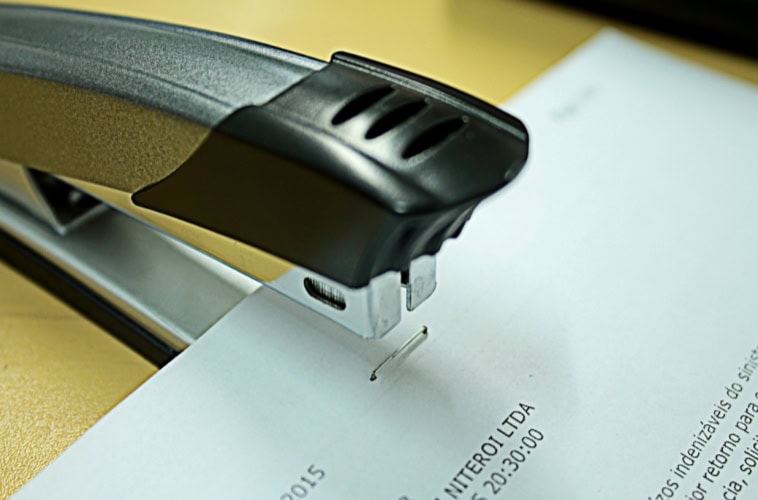
What Are Staple Sizes?
When we purchase staples, we often come across numbers like 24/6, 26/6, or 23/8, but what do they actually mean?
Understanding stapler sizes is essential for ensuring compatibility between your stapler and the staples you use.
Using the wrong stapler sizes can lead to paper jams, poor binding, or even damage to your stapler.
Staple Size Format: What Do the Numbers Mean?
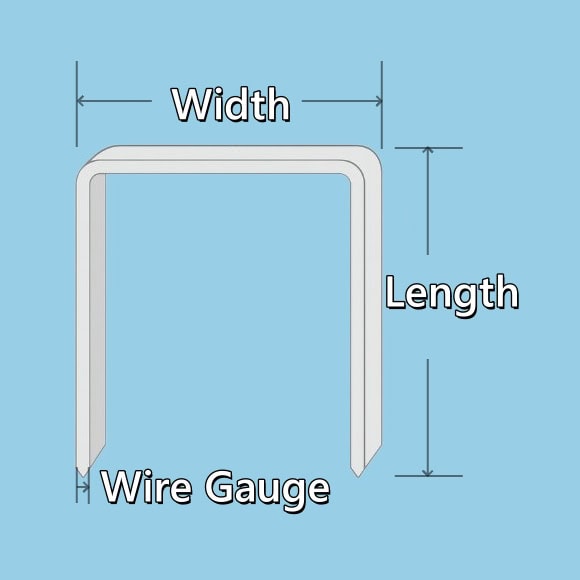
Staple sizes are usually written in the format X/Y (for example, 24/6 or 23/10), where:
X = Wire Gauge, which indicates the thickness of the staple wire; the larger the number, the thinner the diameter of the nail wire.
Y = Leg Length of the staple in millimeters, measuring how deep the legs will penetrate the paper
Let’s break it down with an example:
24/6 staples
24: Wire gauge series (thicker and stronger than 26)
6: Leg length of 6 mm, suitable for binding up to 20–30 sheets of paper
Common Wire Gauge Series:
- 24 series: Slightly thicker staples, used in standard office staplers
- 26 series: Thinner wire, used in compact or smaller staplers
- 23 series: Heavy-duty wire, designed for industrial or high-volume stapling
- No.10 series: Very small staples, used in mini staplers for lightweight tasks
Staple Size Chart
When it comes to binding, there’s definitely no one-size-fits-all approach. Whether you work in an office, classroom, or print shop, using the right staple sizes is crucial.
Here’s a simple guide to the most common staple sizes, the number of sheets they can bind, and their typical uses. If you’re wondering which staple is best for your job, this chart is a great starting point.
| Staple Code | Wire Gauge | Leg Length | Binding Capacity | Common Use Scenarios |
| 10/4 | 0.40 mm | 4 mm | 6–10 sheets | Mini staplers for light schoolwork, home notes, receipts |
| 10/6 | 0.40 mm | 6 mm | 10–15 sheets | Compact staplers for classrooms, students’ worksheets |
| 24/6 | 0.50 mm | 6 mm | 20–30 sheets | Standard office staplers, most common in offices and schools |
| 26/6 | 0.45 mm | 6 mm | 20–25 sheets | Compact/light-duty staplers for everyday office tasks |
| 24/8 | 0.50 mm | 8 mm | 40–50 sheets | Offices needing larger bundles, project reports |
| 26/8 | 0.45 mm | 8 mm | 30–40 sheets | Moderate stapling tasks in schools or offices |
| 23/6 | 0.60 mm | 6 mm | 20–25 sheets | Heavy-duty staplers for thicker documents |
| 23/8 | 0.60 mm | 8 mm | 40–50 sheets | Schools compiling exam papers; offices binding large files |
| 23/10 | 0.60 mm | 10 mm | 60–70 sheets | Industrial printing, government offices handling thick reports |
| 23/13 | 0.60 mm | 13 mm | 90–100+ sheets | High-volume print shops, bindery work, manuals |
| 66/6 | 0.46 mm | 6 mm | ~20 sheets | Booklet or saddle staplers, small book binding |
| 73/10 | 0.75 mm | 10 mm | 100+ sheets | Industrial staplers for packaging or thick binding |
Pros and Cons of Staples
Staples are a common fastening tool in offices, schools, packaging production lines, and even in the interior decoration industry. While simple and effective, they’re not a universal solution. Here’s a brief overview of the advantages and disadvantages of using staples.
Pros of Staples
Fast and Easy: One press, and it’s done—no waiting or drying time.
Secure Binding: Holds pages or materials firmly in place.
Cost-Effective: Staples and staplers are inexpensive and long-lasting.
Compact: Great for keeping documents neat without adding bulk.
Versatile: Used for paper, fabric, cardboard, and even light wood (with heavy-duty staplers).
Cons of Staples
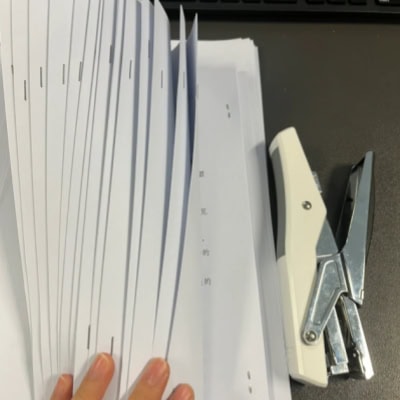
Hard to Remove Cleanly: Can tear paper when pulled out.
Not Reusable: Once stapled, the metal can’t be reused.
Limited Capacity: Standard staples only bind up to 30 sheets; thick stacks require special sizes.
Potential for Jams: Using the wrong size or low-quality staples can cause jams.
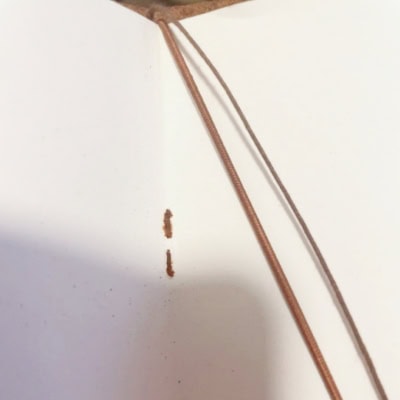
Metal Corrosion: Staples can rust over time if not coated, especially in humid environments.
Types of Staplers & Their Compatible Staple Sizes
Different types of staplers use different staple sizes. From small handheld models to industrial staplers, each one is designed for a specific task and requires the right staple sizes to perform effectively.
Using the wrong staple sizes can cause paper jams, missed staples, or weak binding, so choosing the right staple sizes is crucial.
Here’s a brief overview of some common stapler types and the staple sizes they typically use:
Desktop Staplers
Desktop staplers are the most commonly used staplers in offices and schools. They’re designed for everyday paperwork, such as memos, assignments, and reports.
Most models are compatible with either 24/6 or 26/6 staple sizes, both of which have a 6mm leg length but slightly different wire thicknesses.
24/6 staple sizes are sturdier and better suited for thicker paper, while 26/6 staple sizes are thinner and can hold up to 20 to 25 sheets of paper. These practical and affordable staplers are ideal for general use.
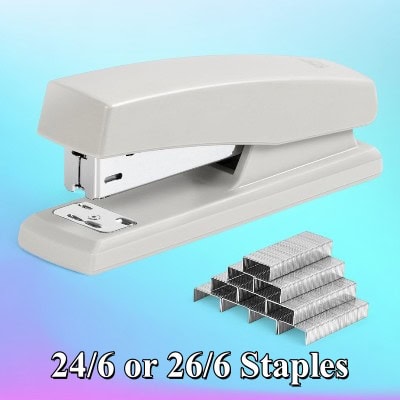
Mini Staplers
Mini staplers are compact and lightweight, making them perfect for students or professionals on the go. They’re ideal for binding small items, such as receipts, worksheets, or small note packets.
These staplers typically use size 10 staples, such as 10/4 or 10/6, which have a thinner wire and shorter legs. While mini staplers can’t staple large amounts of paper, they’re ideal for personal use and for situations where portability is more important than capacity.
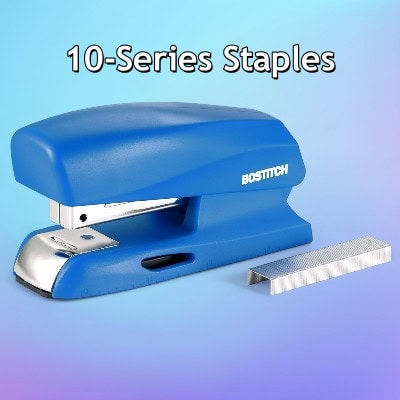
Heavy-Duty Staplers
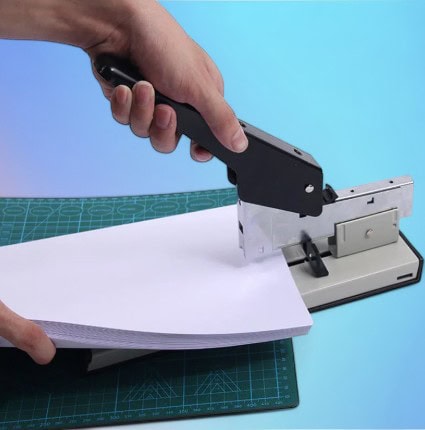
For critical document processing, heavy-duty staplers are the preferred choice. They are designed for stapling large volumes of documents, capable of stapling 40 to over 100 sheets at a time.
They require sturdy 23-series staple sizes, such as 23/8, 23/10, or 23/13, which have longer legs and thicker wire to ensure a secure bind. These staplers are commonly used in law offices, government agencies, and printing shops, where document thicknesses vary and performance is uncompromising.
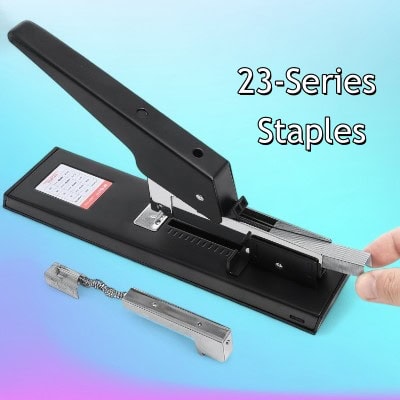
Booklet Stapler
Booklet staplers are specialized tools for binding folded booklets, brochures, and catalogs. Instead of stapling from the top or side, they place staples directly into the center fold of the paper.
These staplers typically use 66/6 staple sizes or custom staple sizes tailored to the machine and paper specifications. While less common than desktop staplers, they are essential tools for schools, copy centers, and any business producing multi-page booklets.
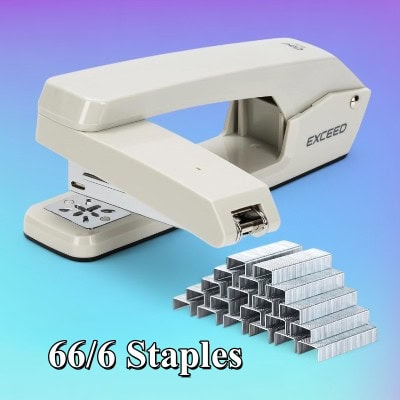
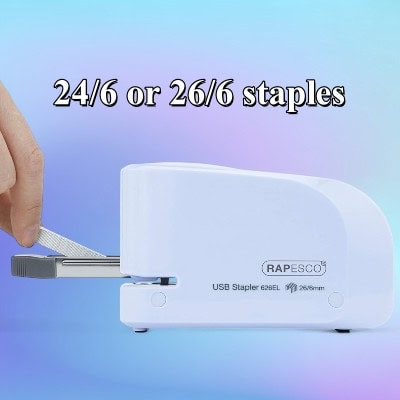
Electric Staplers
Electric staplers automatically staple documents. Popular in busy offices and mailrooms, these staplers offer hands-free operation and consistent staple depth.
Most electric staplers are compatible with 24/6 or 26/6 staple sizes, but some models may come with proprietary staples. They can reduce user fatigue and increase efficiency, especially when performing repetitive tasks.
📌 Want to learn more about the different types of staplers and their uses? Don’t miss our guide:
How to Choose the Right Staple Sizes?
Choosing the right staple sizes isn’t complicated, but it does require some attention to detail. Using the correct staple sizes not only ensures a neat and secure binding but also prevents jams and reduces wear and tear on your stapler.
Here’s a simple step-by-step guide to help you find the best staple sizes for your needs.
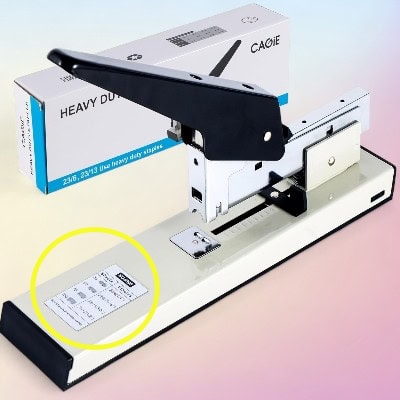
1. Check Your Stapler Model
The best place to start is with the stapler itself. Most staplers have a label or marking inside the stapler compartment that indicates the compatible staple model (e.g., 24/6, 26/6, 23/10).
Each stapler is designed for a specific wire gauge and staple leg length, and using the wrong staples can cause problems.
2. Match Leg Length to Paper Thickness
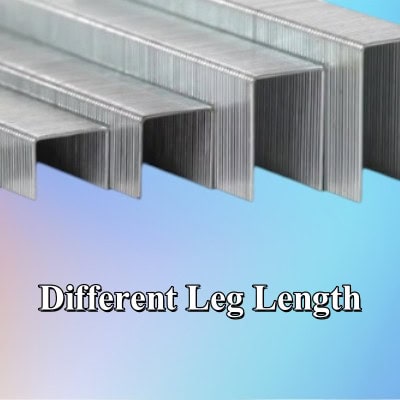
How many pages do you need to staple at once? This determines the length of the stapler legs you need:
4–6 mm: Holds up to 30 sheets
8 mm: Approximately 40–50 sheets
10–13 mm or longer: Suitable for 60–100 sheets or more
If the staple legs are too short, they won’t be able to secure all the pages. If they are too long, they may protrude or bend unevenly.
3. Consider the Binding Material
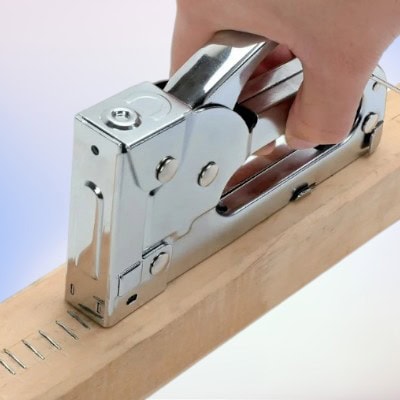
Besides paper, if you’re binding special materials like plastic, leather, or cardboard, you’ll need to choose a specific staple to avoid damaging the material or the binding.
For thicker paper or cardstock weighing 200g or more, choose 23/8 or 23/10 thick-gauge medium-length staples for enhanced penetration and secureness. For materials like plastic, leather, and cork, choose 23/8 stainless steel staples or custom staples.
4. Tips for High-Volume Users
If you’re running a school, print shop, or office that staples hundreds of documents a day:
Invest in a heavy-duty stapler (supports 23/10, 23/13, etc.)
Buy staples in bulk with a matching size clearly labeled
Consider color-coded storage for different staple types
FAQ
How many staples are in a strip?
| Staple Type | Staples per Strip |
| Standard (24/6, 26/6) | 210 staples |
| Mini (10/4, 10/6) | 50–100 staples |
| Heavy-duty (23 series) | Varies (100–130) |
| Saddle/booklet | Often loose or partial strips |
What are staples made of?
Galvanized steel: This is the most commonly used material for staples, offering the best balance of hardness, toughness, and rust resistance.
Stainless steel staples: They offer the highest rust resistance and are suitable for use in humid environments or for long-term archiving of important documents.
Copper staples: They are softer and more ductile, primarily used for saddle stitching in books and magazines, allowing the staple legs to bend smoothly.
What size staples for upholstery?
Upholstery Staple Sizes:
Gauge: 20 or 22 gauge (fine wire)
Crown width: 3/8″ (≈10 mm)
Leg length:
1/4″ (6 mm) → for thin fabrics
5/16″–3/8″ (8–10 mm) → standard for most upholstery
1/2″ (12 mm) or more → for thicker fabric, webbing, or multiple layers
How to staple properly?
Use the Right Staples
Check your stapler for the correct size (e.g., 24/6 or 26/6). Wrong staples = jams.Align the Paper
Stack your pages neatly. Tap them on a surface to line up the edges.Position the Stapler
Place the stapler about 0.5–1 inch (1–2.5 cm) from the corner or edge.Apply Firm, Even Pressure
Press down steadily—don’t slam it. Let the mechanism do the work.Check the Back
Make sure the legs are folded flat (or crimped cleanly) against the paper.
What is the crown of a staple?
The crown of a staple is the top horizontal part that connects the two legs. It sits flat against the surface of the paper or material when stapled.
📏 Crown = Staple Width
What size staples for roofing felt?
For roofing felt, the recommended staple size is:
🔨 Roofing Felt Staple Size:
Crown width: 3/8 inch (10 mm), standard
Leg length: 1/2 inch (12 mm)
Wire gauge: Usually 16 or 18 gauge for extra strength
Conclusion
A box of staples of the right size isn’t just a tool for keeping documents neat and beautiful; it’s also a valuable tool for improving your work and schoolwork. We hope this guide helps you make the best choice.